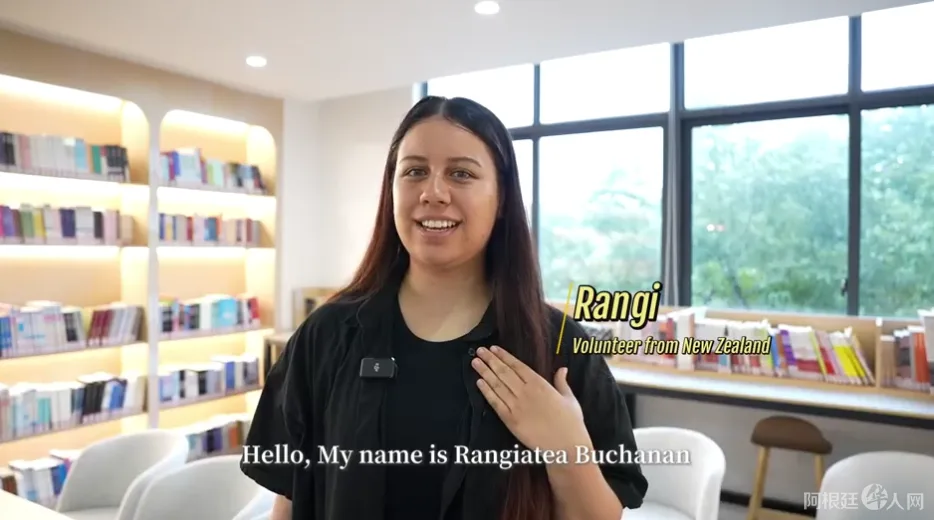
For many participants, the Hongi Volunteer Programme is about far more than assisting in classrooms. It is an opportunity to immerse themselves in daily life in China, to learn directly from local communities, and to gain insights that simply aren’t possible through travel alone. For Rangi, her volunteer experience became a journey of cultural discovery through Wushu, China’s traditional martial art.
During her three-month placement, Rangi had the opportunity to train alongside local practitioners, observe formal instruction, and take part in regular practice sessions. What began as a personal interest quickly developed into a deeper understanding of the cultural values and philosophies that underpin Wushu.
“I had always been interested in martial arts,” Rangi explains, “but learning Wushu in China helped me realise it’s not just about movement or strength. It’s about discipline, balance, respect, and mindset.”
Wushu, often described as Chinese martial arts, has a history stretching back thousands of years. It combines physical techniques such as forms, kicks, and strikes with philosophical ideas drawn from Confucianism, Daoism, and Buddhism. Today, it is practised across China by people of all ages, both as a sport and as a form of cultural education.
Training with local students gave Rangi insight into how deeply Wushu is woven into everyday life. “Practising with Chinese students showed me how important Wushu is for focus and self-control,” she says. “For many of them, it’s something they grow up with — not just a hobby, but part of who they are.”
One of the defining features of the Hongi Volunteer Programme is that learning happens well beyond the classroom. Volunteers are encouraged to engage with local interests and traditions, whether through language, music, sport, or community activities. For Rangi, Wushu became a powerful way to connect, even when language differences existed.
“Volunteering gave me the confidence to step outside my comfort zone,” she reflects. “If I had come to China as a tourist, I don’t think I would have had the opportunity to learn Wushu in this way or connect with people so naturally.”
Through shared practice and mutual curiosity, Rangi built friendships with students and instructors, discovering that movement and dedication can bridge cultural and linguistic divides. Her experience reflects the broader aim of the volunteer programme: meaningful people-to-people exchange, where volunteers are not only teachers but also learners.
“I went to China thinking I would be teaching,” Rangi says, “but I ended up learning just as much — if not more.”
Rangi’s story highlights the unique opportunities the Hongi Volunteer Programme offers young New Zealanders: the chance to live within another culture, develop new skills, and gain a deeper understanding of the world through everyday experiences. Whether your interests lie in language, sport, culture, or personal growth, volunteering in China provides an environment where learning happens naturally and authentically.
For those considering their own journey, the message is clear: sometimes the most meaningful lessons are found outside the classroom.