For Claudette, volunteering in China was an opportunity to step into a world shaped by creativity, history, and cultural exchange. During her placement in Jingdezhen, Jiangxi Province, she experienced first-hand why the city is internationally recognised as the “Porcelain Capital of China” and how deeply this ancient craft is woven into everyday life.
Jingdezhen has produced porcelain for more than a thousand years, supplying imperial kilns and influencing ceramic traditions across Asia and beyond. For Claudette, living and volunteering in the city offered far more than a surface-level introduction. Surrounded by kilns, studios, galleries, and workshops, she quickly realised that porcelain in Jingdezhen is not simply an art form, but a way of life.
“I knew Jingdezhen was famous for porcelain before I arrived,” Claudette says, “but I didn’t expect it to be so present everywhere you go. It shapes the rhythm of the city and the identity of the people.”
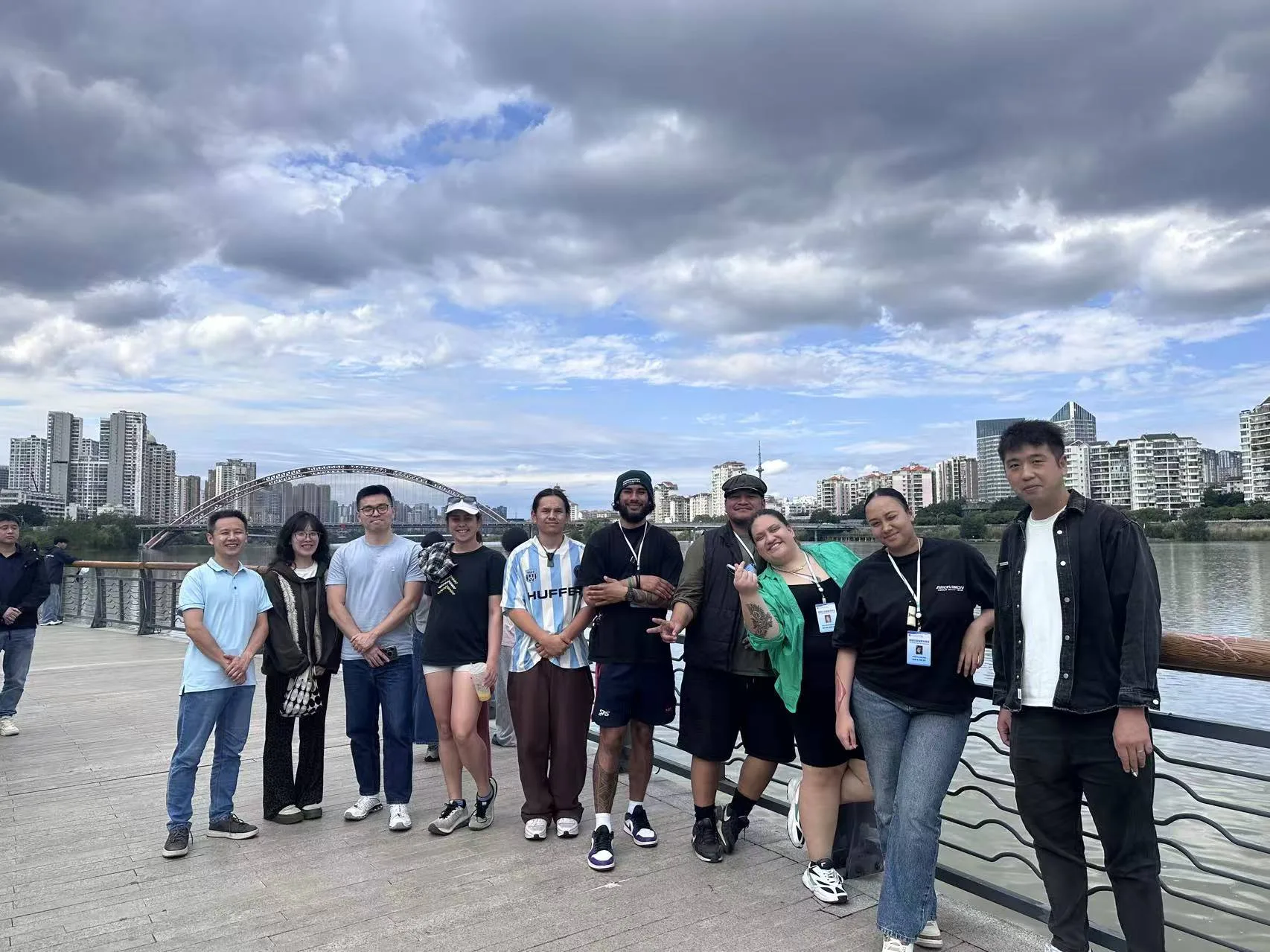
As part of her volunteer placement, Claudette was hosted at an institute alongside international students and artists-in-residence from Europe, South America, Asia, and Africa. Many had travelled to Jingdezhen specifically to study ceramics, drawn by the city’s reputation and the opportunity to learn traditional techniques in an authentic setting.
“It was amazing to be surrounded by people from all over the world who were there for the same reason,” she explains. “Even though we came from different cultures, porcelain became a shared language.”
Through observation, workshops, and conversations with local artisans, Claudette gained a deeper appreciation for the patience, discipline, and respect embedded in traditional Chinese craftsmanship. She describes the process as slow, deliberate, and deeply meaningful, with every stage treated as important.
“There’s a real respect for learning here,” she says. “You can feel how much value is placed on skill and practice. It made me reflect on how knowledge is passed down and protected.”
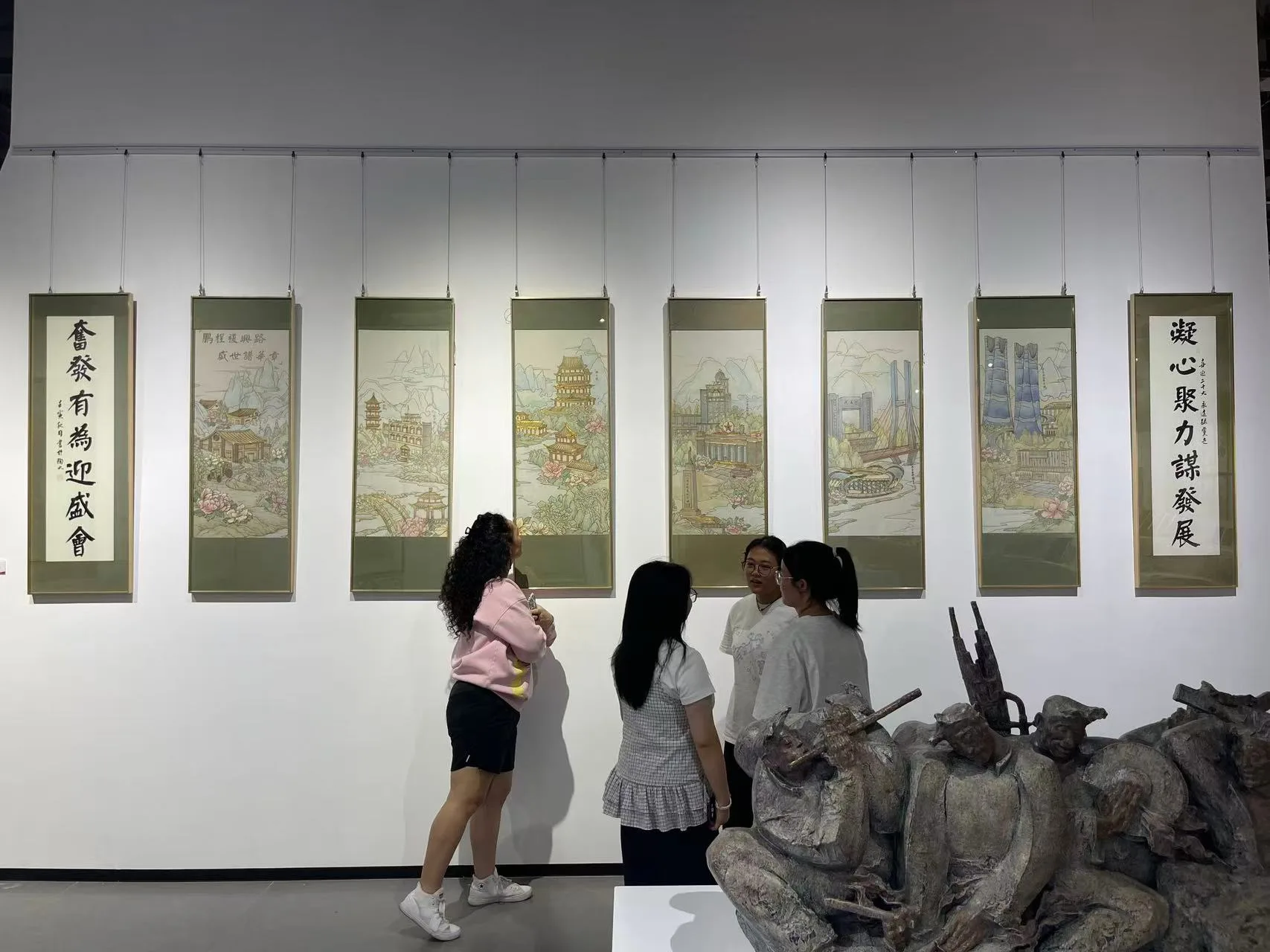
Beyond the institute, Jingdezhen offered a vibrant lifestyle that balanced creativity with community. Claudette spent time exploring small galleries, independent studios, tea houses, cafés, and local neighbourhoods, building friendships and learning about daily life in the city.
“Volunteering gave me the chance to experience a side of China that feels very real,” she reflects. “It wasn’t rushed or commercial. It felt genuine and welcoming.”
Claudette’s experience highlights one of the defining strengths of the Hongi Volunteer Programme: the ability to tailor placements that allow volunteers to engage deeply with local culture, while also contributing meaningfully to their host communities. Whether through art, language, education, or cultural exchange, volunteers are encouraged to learn as much as they share.
“I went to China thinking I was going there to help,” Claudette says, “but I learned just as much in return. It really changed how I see the world.”
Stories like Claudette’s demonstrate how volunteering can open doors to unexpected learning opportunities and lifelong connections. From creative hubs like Jingdezhen to schools and universities across China, the programme offers young New Zealanders a chance to build confidence, cultural understanding, and global friendships.
Those interested in exploring similar experiences can learn more about upcoming volunteer intakes and how to apply through the Hongi website.