Taking part in the Hongi Volunteer Programme is an exciting step, and it’s one you won’t take unprepared. Before travelling to China, all volunteers complete a comprehensive pre-departure training programme designed to build confidence, practical skills, and cultural understanding.
The training is delivered by Eastern Bridge Education, a registered New Zealand Private Training Establishment (PTE) with extensive experience in cross-cultural education, migrant training, and international programmes. Importantly, the training is provided free of charge to all successful volunteers.
The programme includes approximately 80 hours of in-person training, delivered over several weekends, alongside additional online learning resources that remain accessible before departure and throughout your time in China. Training is usually delivered in Hawke’s Bay and the Bay of Plenty, with additional regional training arranged when volunteer groups are based elsewhere in New Zealand.
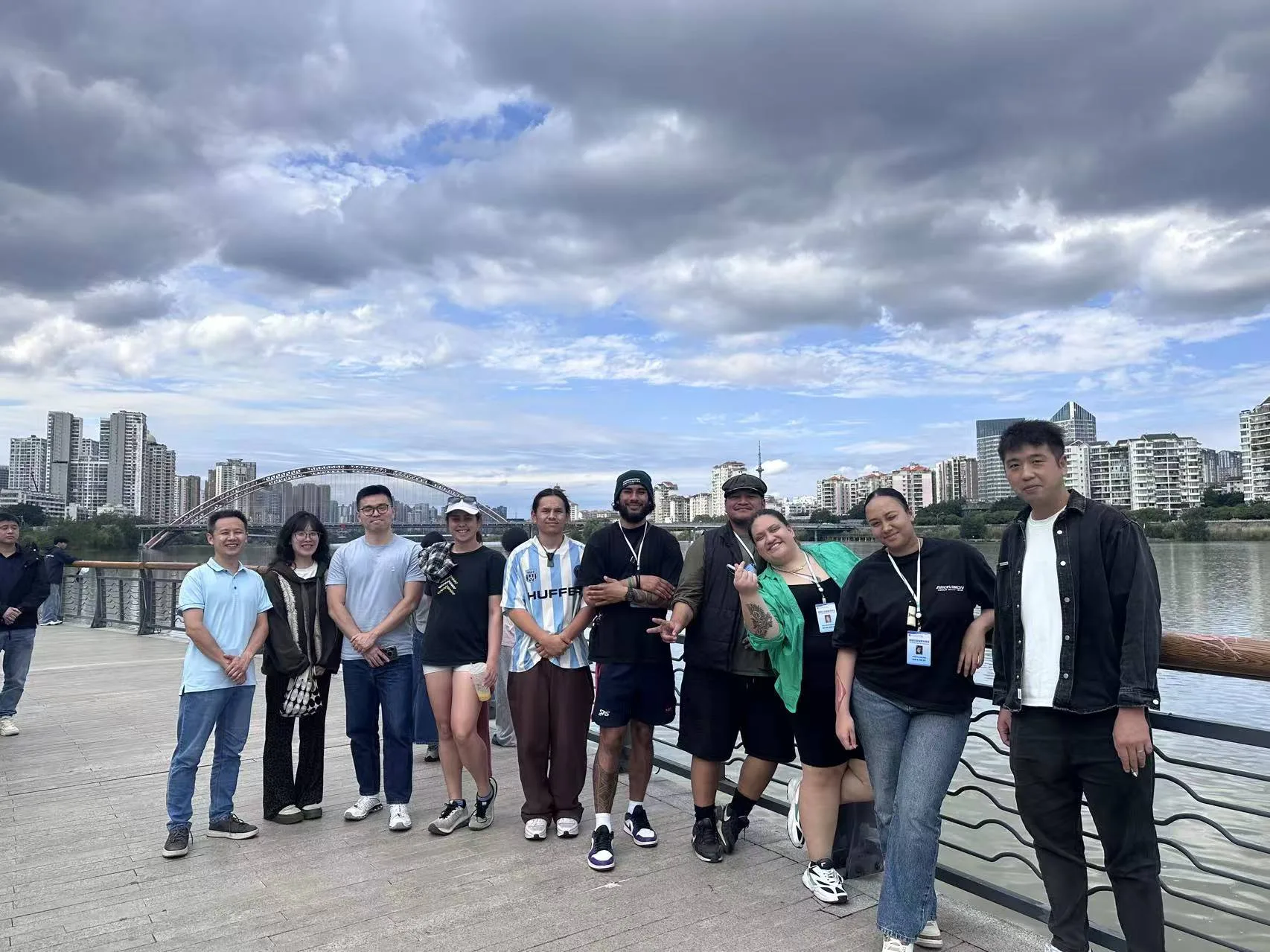
One of the strengths of the training programme is that it is completed alongside your fellow volunteers. This creates a supportive environment where you can learn together, ask questions, share concerns, and build friendships before leaving New Zealand. Many volunteers say this group experience makes them feel far more confident and connected before departure.
The training itself is practical and hands-on, focusing on real situations you are likely to encounter while living and volunteering in China. You will learn basic conversational Mandarin, including everyday phrases, classroom language, and survival Chinese for shopping, transport, and daily life. Fluency is not expected — the goal is confidence, familiarity, and willingness to engage.
A significant part of the programme focuses on Chinese culture, social norms, and communication styles. Volunteers are introduced to differences between direct and indirect communication, expectations around respect and hierarchy, and how relationships function in Chinese schools and communities. Understanding these cultural differences early helps prevent misunderstandings and makes day-to-day life much smoother once you arrive.
The training also prepares volunteers for their role in the classroom. While volunteers are not English teachers, you will be assisting local teachers and speaking in front of groups of students. The programme provides guidance on classroom confidence, public speaking, managing activities, and using games, storytelling, and conversation to engage students. Volunteers are encouraged to bring their own personalities, interests, and cultural backgrounds into the classroom in a way that supports English learning.
Another important focus is cultural exchange. Volunteers learn how to share New Zealand culture respectfully and appropriately, including te reo Māori, kapa haka, and personal stories. Many volunteers find this part of the training deeply meaningful, as it helps them reflect on their own identity while preparing to engage with a very different cultural environment.
Practical preparation is also covered in depth. Volunteers are guided through daily life in China, including mobile payments, transport apps, food culture, accommodation, and managing everyday tasks. Safety, wellbeing, and support systems are discussed openly, ensuring volunteers know who to contact and what to do if they need help while overseas.
While the training involves learning and commitment, it is designed to be engaging, supportive, and enjoyable. Sessions are interactive rather than academic, with plenty of discussion, shared experiences, and opportunities to ask questions. For many volunteers, the training is where initial nerves turn into excitement.
Upon completing the training component, volunteers receive a certificate from Eastern Bridge Education, recognising their participation and preparation. This can be used for CVs, future study, or employment and reflects a strong commitment to international engagement and cultural exchange.
The pre-departure training programme is a key part of what makes the Hongi Volunteer Programme accessible and successful. Whether you have travelled overseas before or not, the training ensures you are well prepared, well supported, and ready to make the most of your three months in China.
For many volunteers, the journey begins not when they board the plane, but during the training — where confidence is built, friendships are formed, and curiosity turns into readiness.