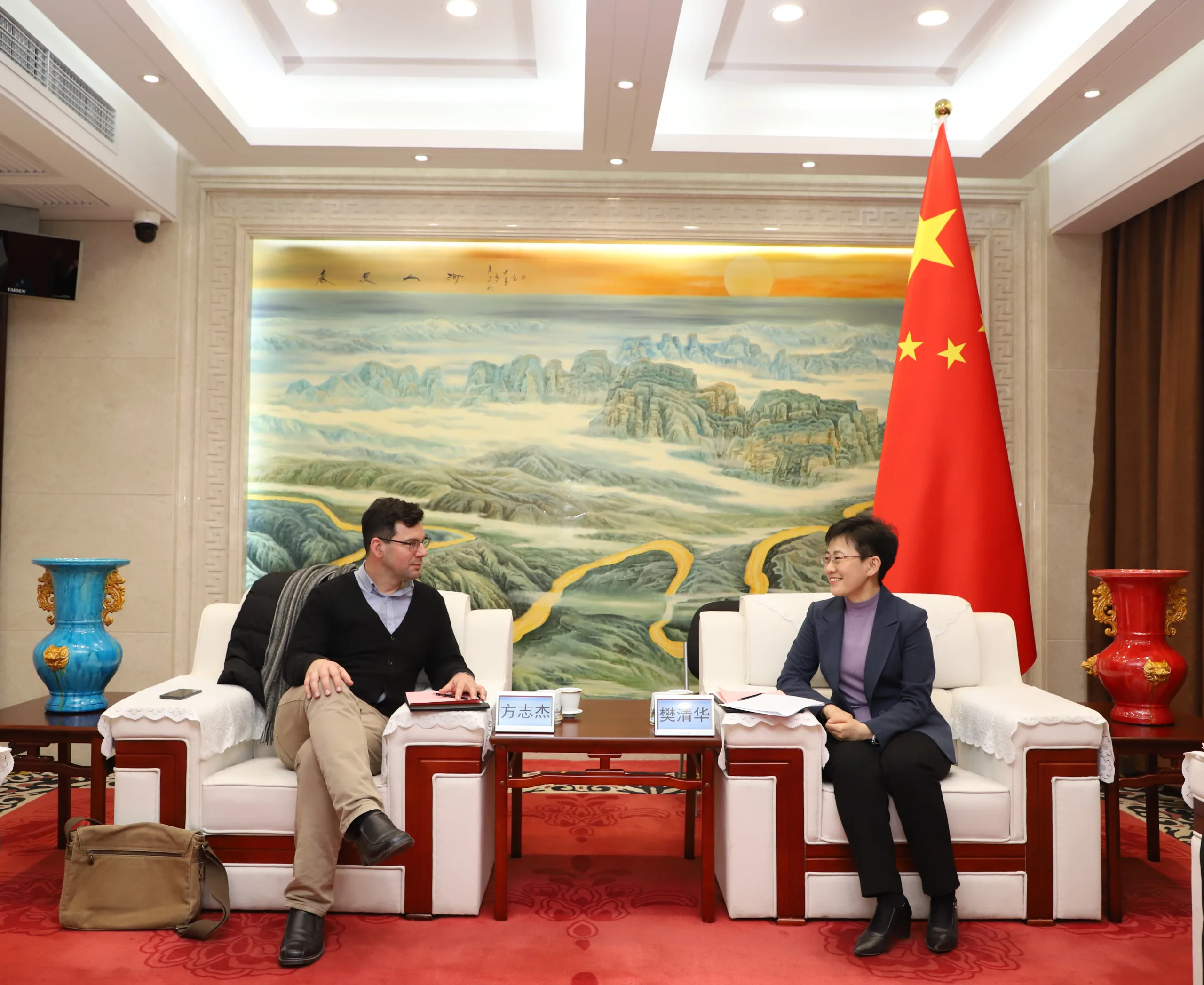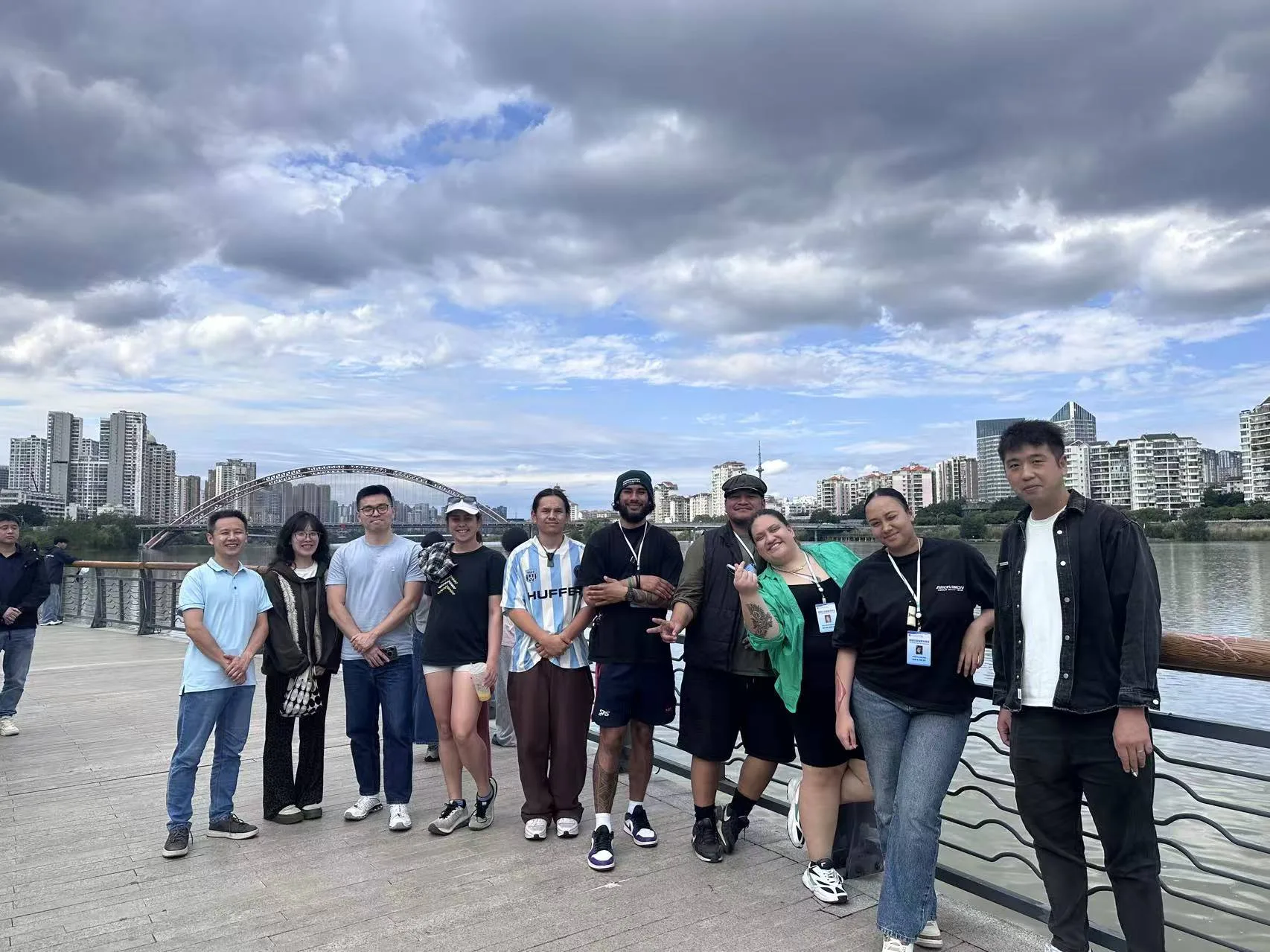
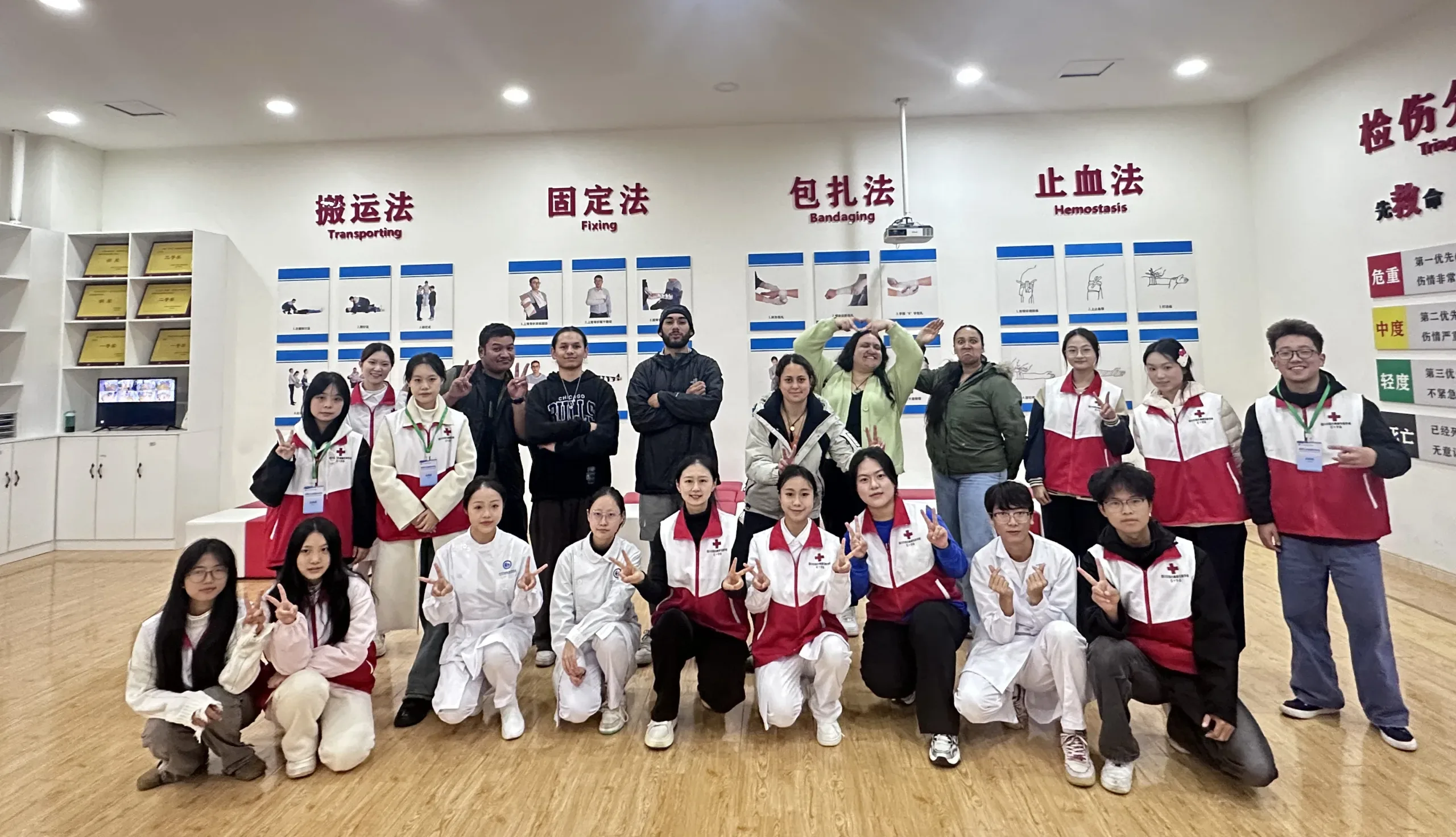
During recent cohorts, several Hongi volunteers were hosted at institutions specialising in Traditional Chinese Medicine, including universities and training colleges where TCM is taught, practised, and researched. While the volunteers’ primary role was to assist with English language learning and cultural exchange, these placements opened the door to deeper conversations about health, wellbeing, and traditional knowledge systems.
For volunteers with knowledge of rongoā Māori, these experiences often felt surprisingly familiar. Concepts central to TCM—such as balance, harmony, prevention, and the interconnectedness of body, mind, and environment—echo many of the principles found in rongoā Māori. Rather than focusing only on treating illness, both systems emphasise maintaining wellbeing, understanding the root causes of imbalance, and respecting the relationship between people and the natural world.
One volunteer reflected that learning about TCM helped her better understand her own culture. Seeing how Chinese medicine draws on plants, movement, diet, and energy flow reminded her of the way rongoā Māori draws on native plants, karakia, massage, and spiritual balance to support healing. While the practices differ, the underlying philosophy felt strikingly similar.
These moments of recognition often led to rich exchanges with students and teachers. Volunteers shared stories about Māori approaches to health, the importance of whakapapa, whenua, and kaitiakitanga, while Chinese hosts explained concepts such as yin and yang, qi, and the role of seasonal balance in health. What began as classroom assistance quickly became genuine cultural dialogue.
The Hongi Volunteer Programme is designed to create exactly these kinds of exchanges. Volunteers are not expected to be experts in medicine or culture, but they are encouraged to be open, curious, and willing to share who they are. Whether through conversation, classroom activities, or informal interactions, volunteers become cultural ambassadors—learning as much as they teach.
At the same time, these experiences challenge common assumptions about China. Many volunteers arrive with little exposure to TCM beyond acupuncture clinics or herbal teas seen overseas. Living and volunteering in China allows them to see how deeply traditional medicine is integrated into everyday life, education, and healthcare, existing alongside modern medical systems rather than in opposition to them.
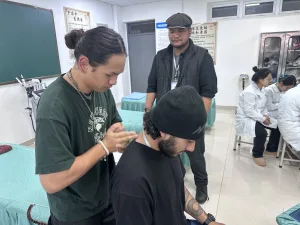
For prospective volunteers, this is part of what makes the programme unique. The Hongi Volunteer Programme is not just about living overseas or assisting in classrooms—it is about gaining insight into another civilisation’s way of understanding the world, while reflecting more deeply on your own culture and identity.
For Māori volunteers in particular, these encounters often strengthen pride in their heritage. Sharing rongoā Māori, kapa haka, or broader cultural values in an environment where traditional knowledge is respected can be empowering and affirming. Many volunteers return to New Zealand with a renewed sense of confidence and a clearer understanding of how their culture fits within a global context.
As Hongi prepares for its expanded 2026 programme across multiple regions of China, opportunities to engage with traditional culture—including Traditional Chinese Medicine—will continue to be an important part of the volunteer experience. For those interested in culture, wellbeing, history, or simply gaining a broader perspective on the world, the programme offers an experience that goes far beyond expectations.
👉 Learn more about the programme and apply through the HONGI website.