Section 1: General Programme Overview
1. What is the Hongi Volunteer Programme?
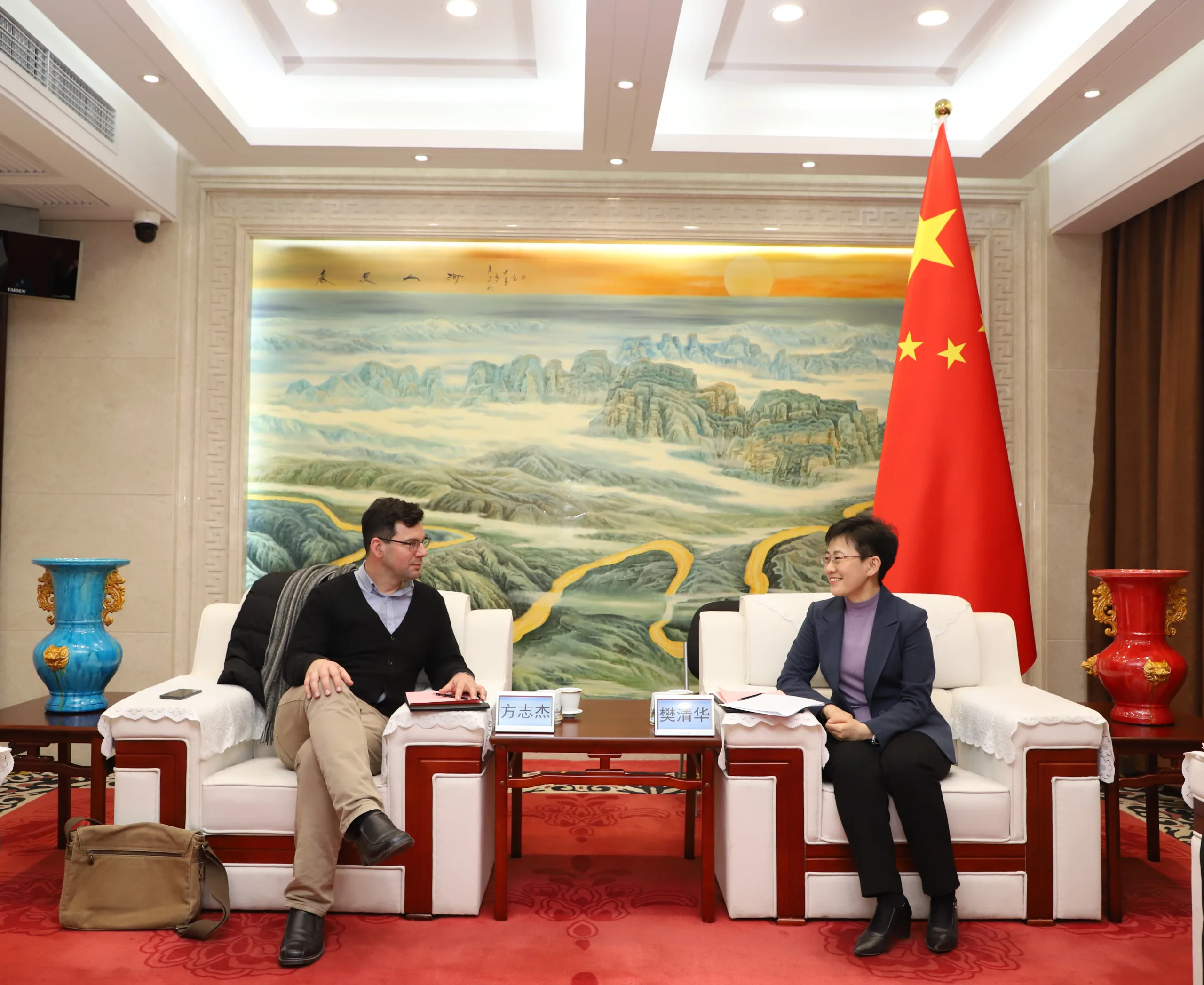
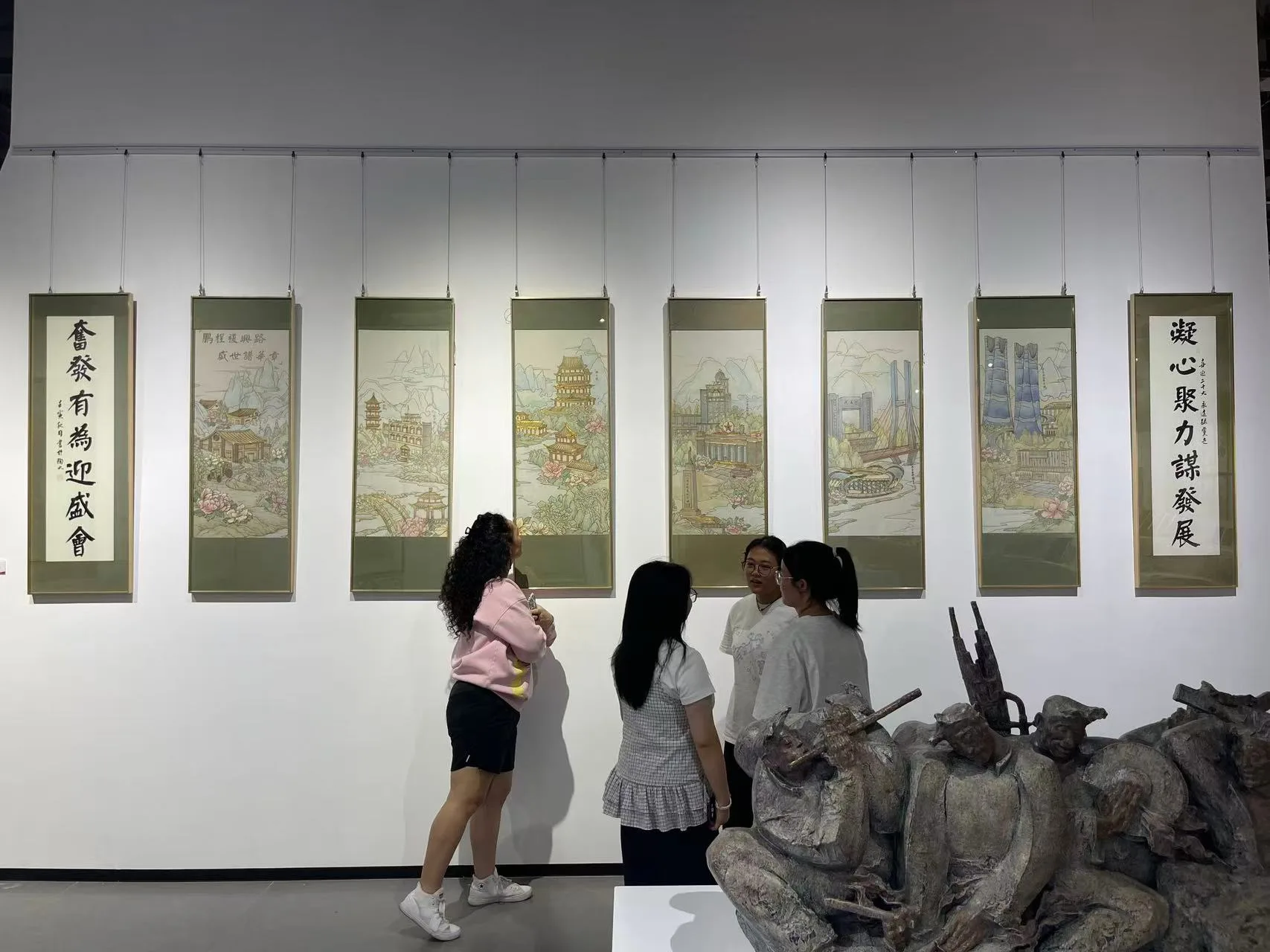
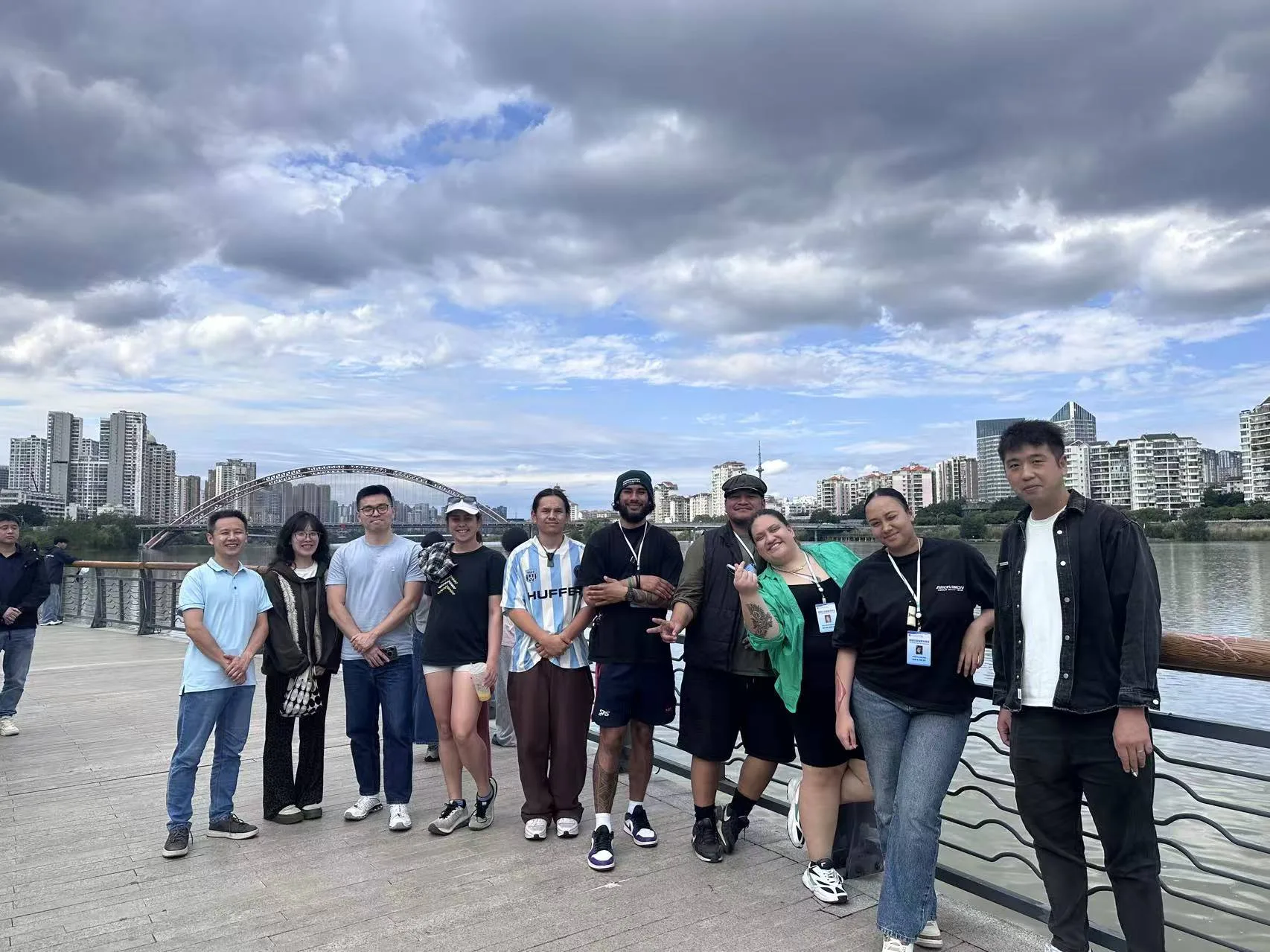
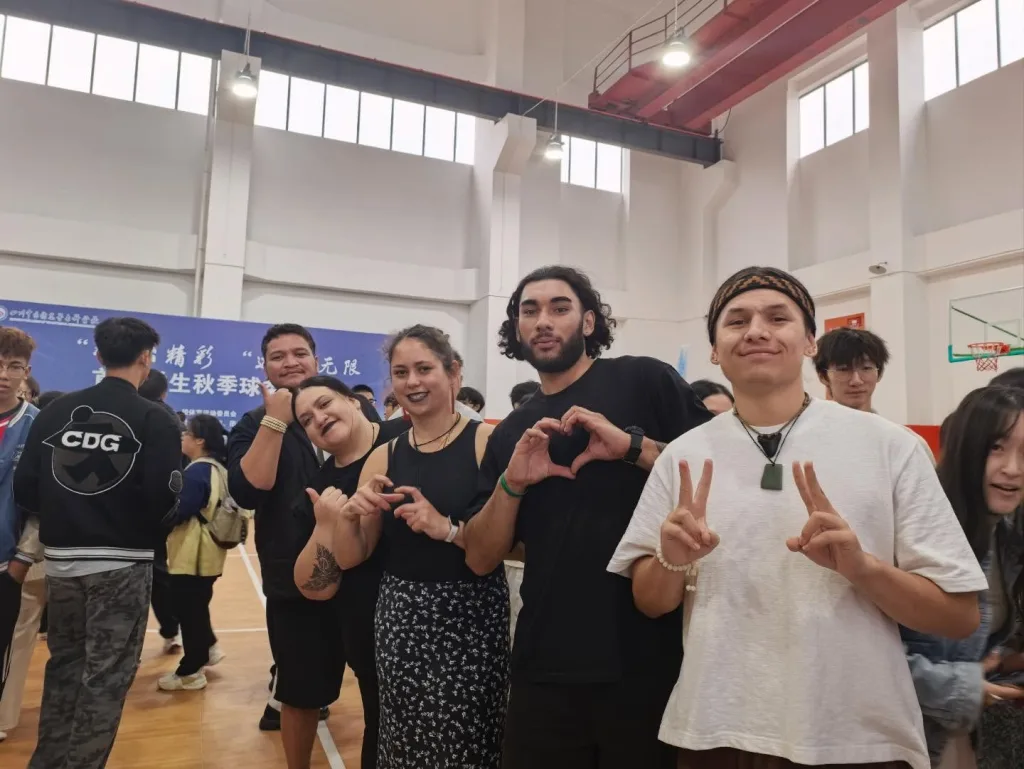
The Hongi Volunteer Programme is a three-month language and cultural exchange programme for young New Zealanders aged 18–30, based in China. Volunteers are hosted by local schools and universities, where they assist local English teachers and provide students with opportunities to practise English with native English speakers. Volunteers are also encouraged, if they wish, to share New Zealand culture and te reo Māori, while learning about China, Chinese language, and Chinese culture.
2. Who is the programme designed for?
The programme is designed for young New Zealanders who are New Zealand passport holders, native English speakers, aged between 18 and 30, and who have an interest in China, Chinese language, and culture.
3. Why does Hongi run this programme?
Hongi believes in creating opportunities for young New Zealanders to experience different cultures and develop their own understanding of the world. The programme aims to support open-mindedness, build global friendships, encourage cultural exchange, and provide opportunities to people who might not otherwise have access to overseas experiences.
4. How is this programme different from other overseas volunteer programmes?
The programme is non-political, 100% free, and does not require a tertiary qualification. Barriers to entry are kept intentionally low so that people who might normally be excluded from international programmes can participate.
5. Is this a government programme?
The programme operates in cooperation with local governments in New Zealand and China under sister-city or friendship-city frameworks. However, it is non-political and non-ideological, and is funded through host schools and a mix of public and private sponsors.
6. Is the programme political?
No. The programme is strictly non-political.
7. How long has the programme been running?
The programme began in 2024.
8. Which organisations are involved in delivering the programme?
The programme is delivered by Hongi in New Zealand, with support from Eastern Bridge Limited, Eastern Bridge Education, and Eastern Bridge Digital. Chinese partners include multiple local and provincial Foreign Affairs Offices. New Zealand partners include several district councils and iwi organisations.
9. What is the programme focused on?
The programme focuses on building mutual understanding between New Zealand volunteers and students in China through language, culture, and everyday interaction.
10. What do volunteers do day-to-day?
Volunteers are hosted by local schools and assist local English teachers in classrooms. Duties may include classroom support, conversational English practice, cultural sharing, and participation in school activities

Section 2: Eligibility and Suitability
11. Who can apply?
Any New Zealand citizen who is a native English speaker, aged 18–30.
12. Do I need to be Māori to apply?
No. You do not need to be Māori to apply.
13. Do I need teaching experience?
No. Teaching experience is not required. Pre-departure training will provide basic classroom and teaching guidance.
14. Do I need to speak Chinese?
No. There is no Chinese language requirement. Basic phrases are covered in training, and many volunteers rely on English and translation apps.
15. Do I need a university degree?
No. A tertiary qualification is not required.
16. What level of English do I need?
You must be a fluent English speaker who can communicate clearly and confidently.
17. Is the programme suitable for first-time international travellers?
Yes. The programme is designed to support people who may not have travelled overseas before.
18. What type of person is best suited?
People who are open-minded, interested in cultural exchange, and comfortable speaking in front of groups.
19. Who might not be suitable?
People who struggle significantly with social anxiety, substance dependency, or major difficulty coping with change.
20. Can shy people apply?
Yes. Nervousness is common at first. Most volunteers gain confidence quickly with support and experience.
21. Can I apply if I am studying or working?
Yes, provided you can commit fully to the three-month programme and ensure work or study does not interfere.
Section 3: Application Process
22. How do I apply?
Apply through the online application form. It takes around one hour and includes written responses.
23. Is there an application deadline?
Applications are assessed on a rolling basis. No applications will be accepted after July 2026.
24. How competitive is the process?
Up to 120 volunteers will be recruited. Early applicants have a higher chance of acceptance.
25. What are you looking for in an application?
Genuine interest in China, cultural awareness, clear English communication, reliability, and humility.
26. Are references required?
Yes. At least one character reference is required.
27. Will there be an interview?
Yes. A phone interview is required.
28. How long until I hear back?
Initial feedback is provided within two weeks, with final confirmation within one month.
29. Can I choose where I go?
Sometimes. Placements are often aligned with sister-city relationships, but preferences may be considered.
Section 4: Costs and Funding
30. Is the programme really free?
Yes. All essential costs are covered.
31. What costs are covered?
International flights, visa, accommodation, food, insurance, local phone plan, and a weekly stipend.
32. What costs are not covered?
Domestic travel to Auckland, personal travel, shopping, eating off-campus, and social activities.
33. Should I bring spending money?
Yes. While basic living costs are covered, additional spending is personal.
34. How much spending money is recommended?
NZD $1,000–$1,500 per month, depending on lifestyle and travel plans.
Section 5: Length and Commitment
35. How long is the programme?
Three months (approximately 90 days).
36. What are the programme dates?
Expected intakes: mid-March to mid-June, and mid-September to mid-December.
37. Can I arrive late or leave early?
No. Full participation is required.
38. Can I travel before or after the programme?
No. Group travel and visa conditions apply.
Section 6: Training and Preparation
39. Is pre-departure training compulsory?
Yes.
40. What does training involve?
Basic Chinese language, cultural etiquette, classroom skills, safety, and practical life skills.
41. How long is training?
Approximately 80 hours in person, plus online modules.
42. Do I receive a certificate?
Yes. A certificate from Eastern Bridge Education is issued upon completion.

Section 7: Volunteer Roles and Responsibilities
43. Am I an English teacher?
No. You are a classroom assistant and language volunteer.
44. How many hours will I volunteer?
Up to 20 hours per week.
45. Can I share Māori culture?
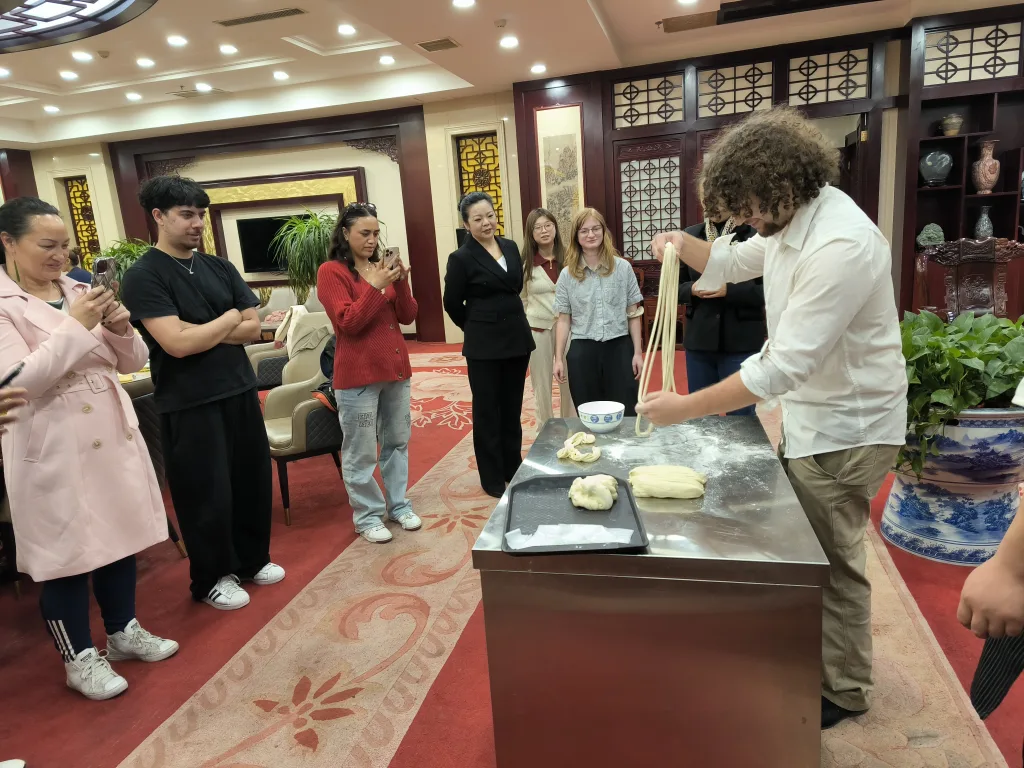
Yes. Sharing te reo Māori, kapa haka, and culture is encouraged, alongside English support.
46. Can I share personal interests?
Yes. Sports, music, art, and other interests are welcomed.
Section 8: Life in China
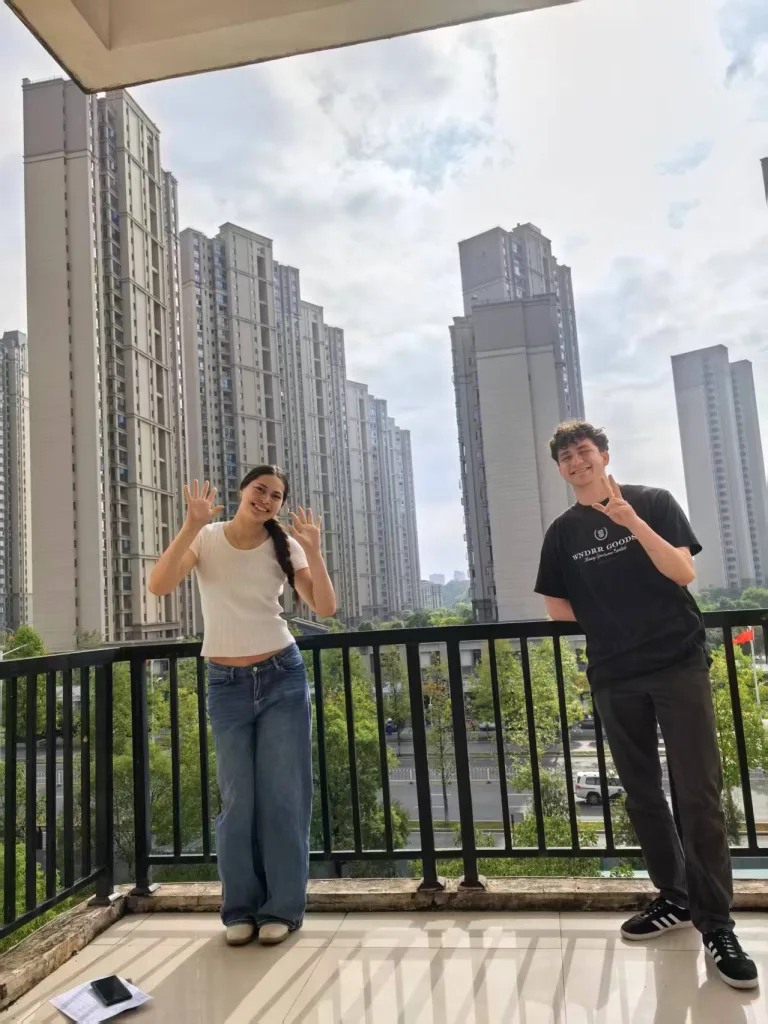
47. Where will I live?
On or near the host school campus.
48. Will I have my own room?
Yes.
49. Will I have internet access?
Yes, via a Chinese SIM and often school Wi-Fi.
Section 9: Safety, Health, and Well-being
50. Is China safe?
Yes. China is very safe and welcoming.
51. What support is available?
Each volunteer is assigned a support teacher and has access to programme coordinators.
52. What happens if rules are broken?
Warnings may be issued. Serious or repeated breaches may result in removal from the programme.
Section 10: Cultural Expectations and Conduct
53. What cultural rules should I follow?
Respect indirect communication styles, avoid political or religious advocacy, and act professionally.
54. Can I travel independently?
Yes, with notification to your support teacher.
55. Can I date?
Romantic or Sexual Relationships with students or colleagues at the host school are not permitted. Social relationships outside the school are a personal matter.
Section 11: Work, Study, and Remote Commitments
56. Can I work or study remotely?
Yes, as long as it does not interfere with volunteering.
57. How much free time will I have?
Volunteering is up to 20 hours per week. Evenings and weekends are generally free.
Section 12: Outcomes and Benefits
58. What do volunteers gain?
Cultural understanding, confidence, friendships, new perspectives, certificates, and career benefits.
59. Does this help future careers?
Yes. Employers value international experience, adaptability, and cultural awareness.
60. Are there alumni opportunities?
Yes. Volunteers may return as group leaders or access future study and work pathways.
Section 13: After Returning to New Zealand
61. Is there a debrief?
Yes. Debriefs are conducted in China, and volunteers remain connected via WeChat.
62. Can I share my experience publicly?
Yes. Volunteers are encouraged to share their experience responsibly.
63. Does Hongi support volunteers after returning?
Yes. Ongoing engagement, introductions, and opportunities may be offered.
64. How do volunteers stay involved?
Through alumni groups, direct contact, and future programme support