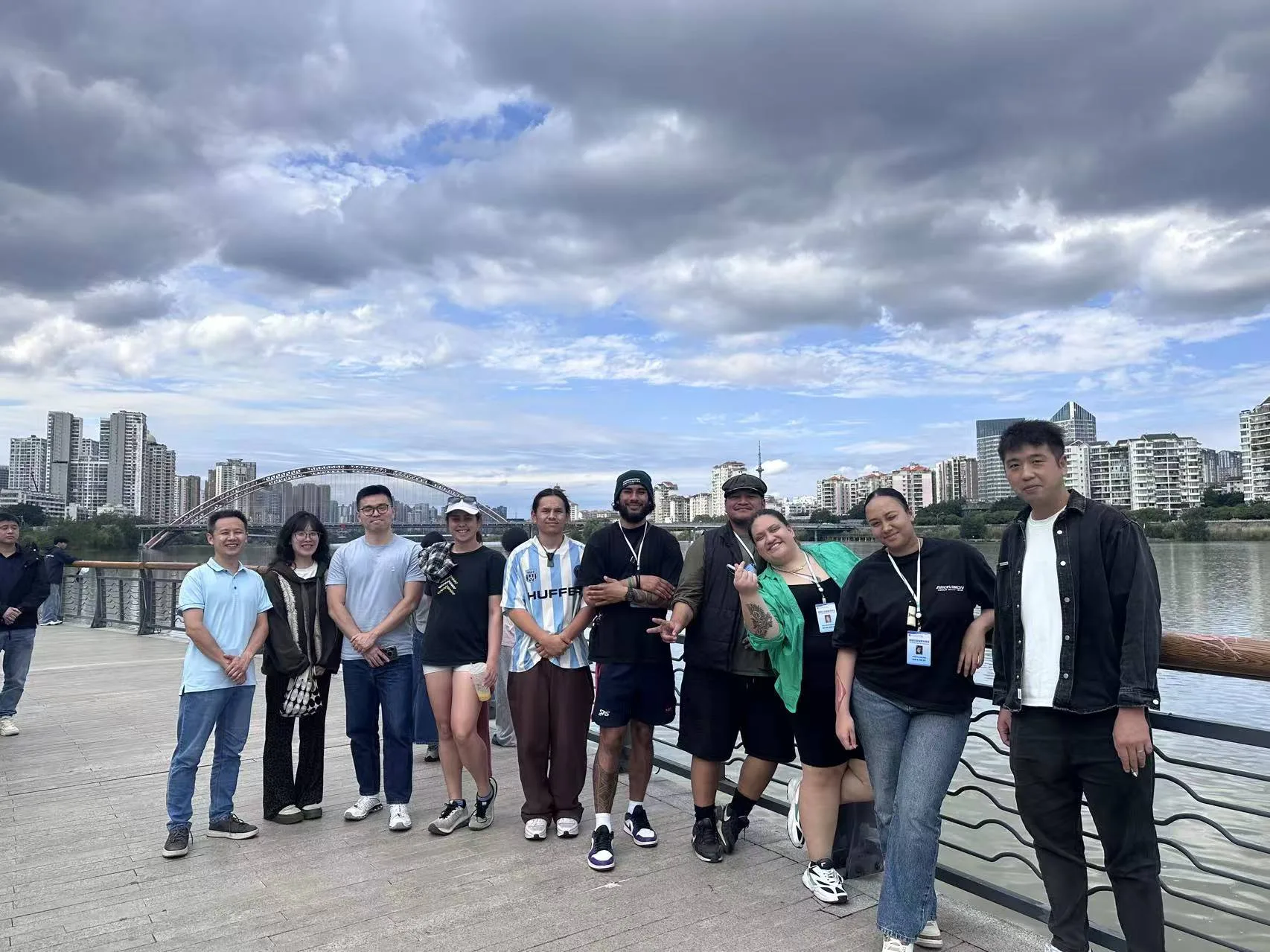
For many people in New Zealand, the idea of spending time in China comes with a familiar concern: crowded cities, pollution, and endless concrete. For prospective volunteers considering the Hongi Volunteer Programme, this is often one of the biggest unknowns.
For those placed in regional areas such as Jiangxi Province, the reality is very different.
Many volunteers quickly discover that volunteering in China does not mean being confined to a large, polluted megacity. Instead, they find themselves surrounded by mountains, rivers, forests, and protected natural areas, with easy access to the outdoors and some of the most spectacular landscapes in the country.
“I honestly didn’t expect this,” one volunteer reflected. “Coming from New Zealand, I thought we had the most beautiful landscapes in the world. But being here made me realise how much natural beauty China has as well.”
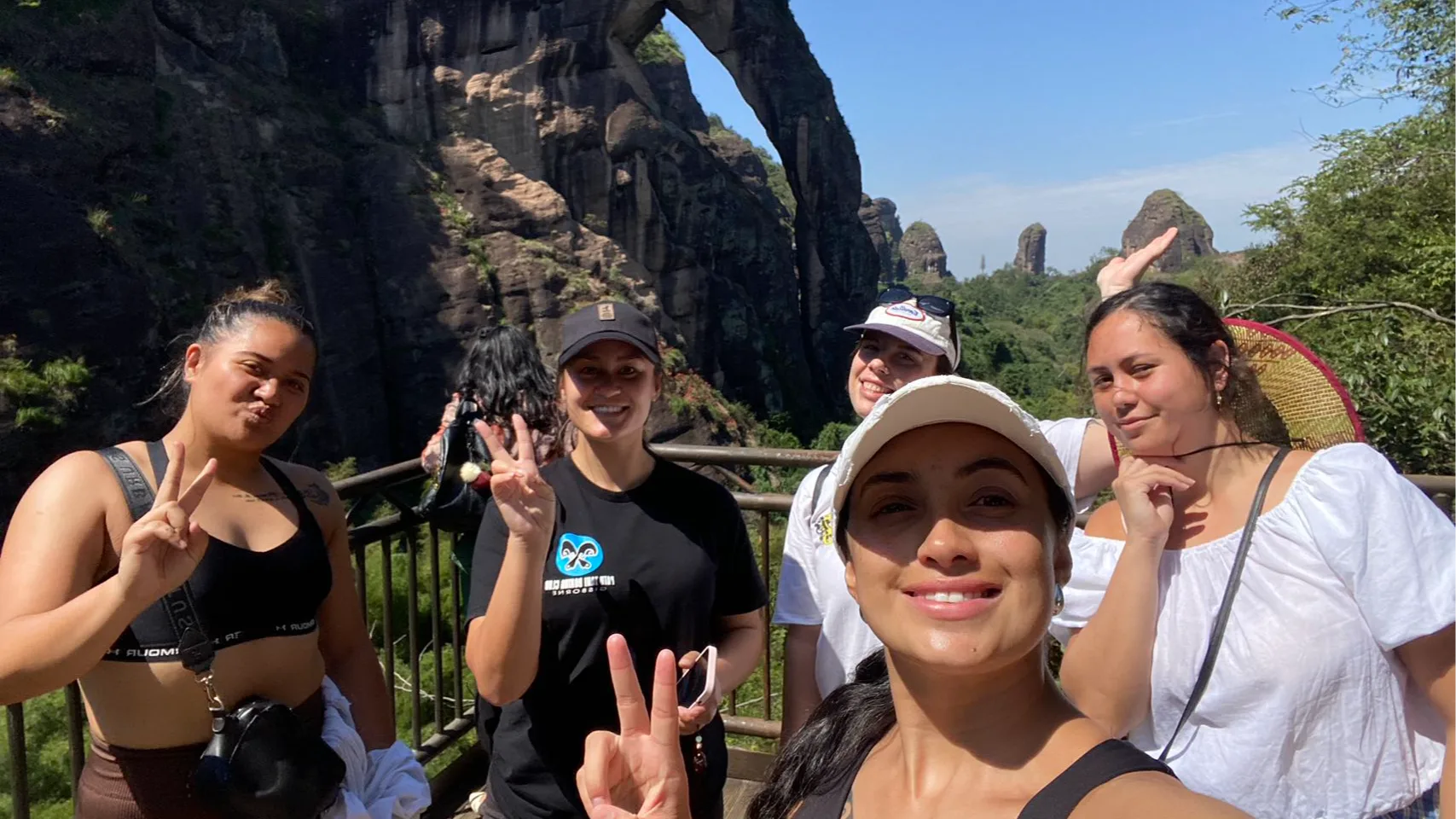
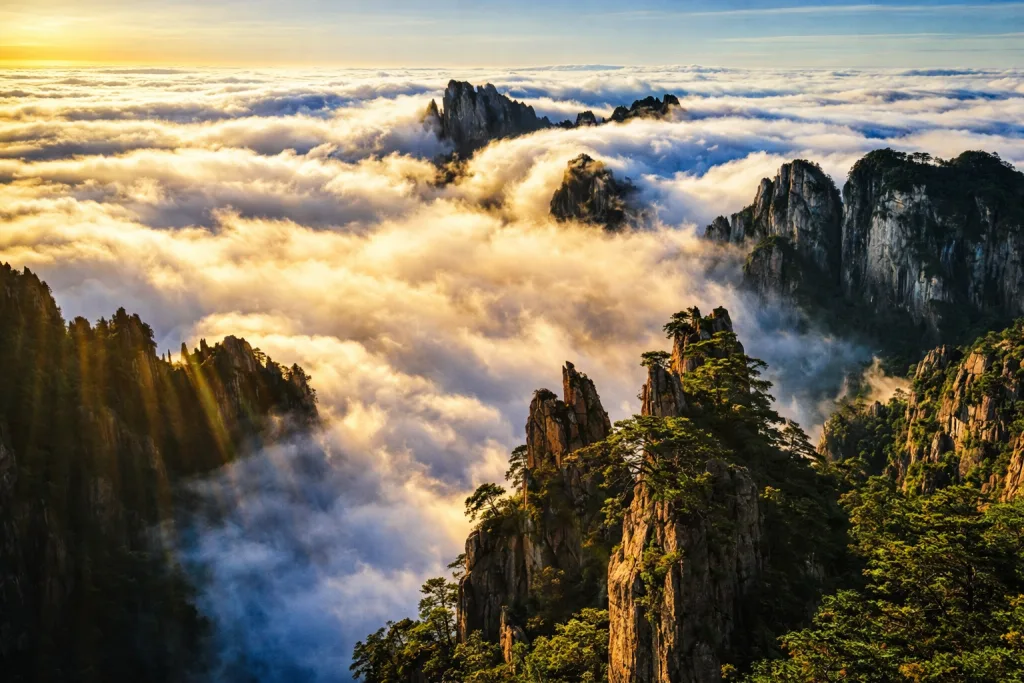
Jiangxi is home to several world-renowned natural sites, including Longhushan, Lushan, and Sanqingshan, all recognised as UNESCO World Natural Heritage areas. These places are known for their dramatic cliffs, mist-covered peaks, winding waterways, and extensive walking tracks. Volunteers often spend weekends hiking, exploring national parks, or simply enjoying the calm that these environments offer.
Longhushan, with its striking red sandstone formations and deep connection to Daoist traditions, is a particular favourite. Volunteers frequently comment on how clean, well-maintained, and accessible the area is, and on the care taken to protect the landscape while still welcoming visitors.
“What really stood out to me was how much effort has gone into preserving these places,” another volunteer said. “You can see that a lot of work has been done to protect the environment while still allowing people to enjoy it.”
Experiences like these often reshape how volunteers think about China. The common image of endless concrete and pollution quickly fades when confronted with expansive national parks, fresh air, and visible investment in environmental protection.
China has made significant efforts to preserve its natural environments, particularly in provinces like Jiangxi. Large areas are designated as protected parks and reserves, with a strong emphasis on conservation, ecological restoration, and sustainable tourism. For volunteers who enjoy the outdoors, this provides opportunities for hiking, photography, quiet reflection, and time spent in nature.
These experiences also create moments of connection. Conversations with local students, teachers, and community members often turn to shared values around caring for the land and protecting it for future generations. For volunteers from New Zealand, these discussions feel familiar, reflecting Māori concepts of kaitiakitanga and environmental stewardship.
The Hongi Volunteer Programme encourages volunteers to engage fully with the places they live in, not just the schools and classrooms they work in. Spending time in China’s natural environments helps volunteers see the country as diverse and multi-layered, with regions that balance development and conservation in ways that are rarely shown in international media.
“I’ll always love New Zealand,” one volunteer said, “but being here showed me that you don’t have to choose between culture and nature. You can have both.”
For future volunteers, this is an important message: volunteering in China does not mean being stuck in a polluted city. It means living in real communities, with access to stunning landscapes and outdoor experiences that can challenge assumptions and broaden perspectives.