One of the unexpected highlights for many Hongi volunteers is the opportunity to explore China beyond the classroom. While volunteering is centred around schools and community engagement, weekends and free days often allow volunteers to discover the landscapes, stories, and cultural history of the regions they are living in.
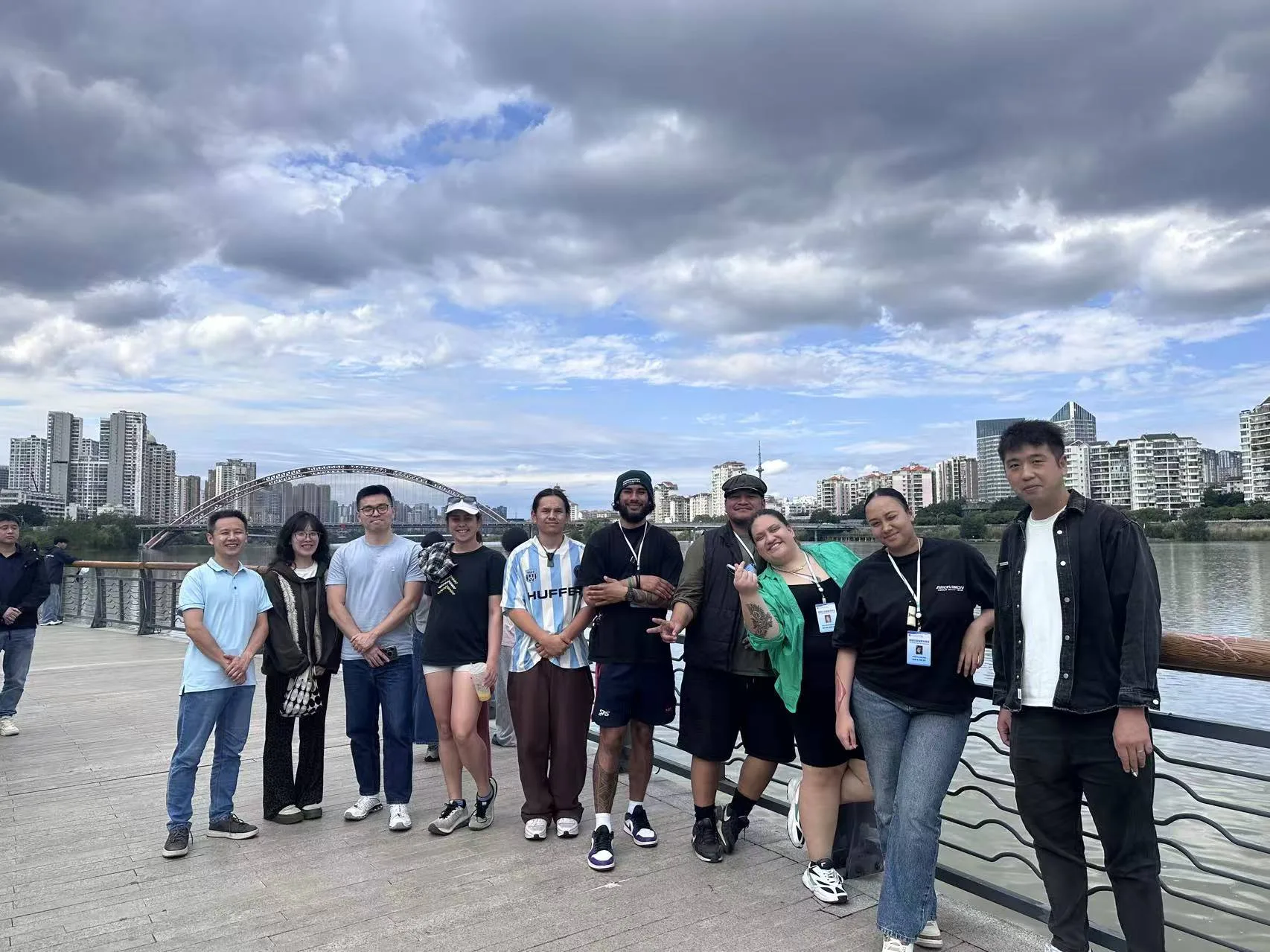
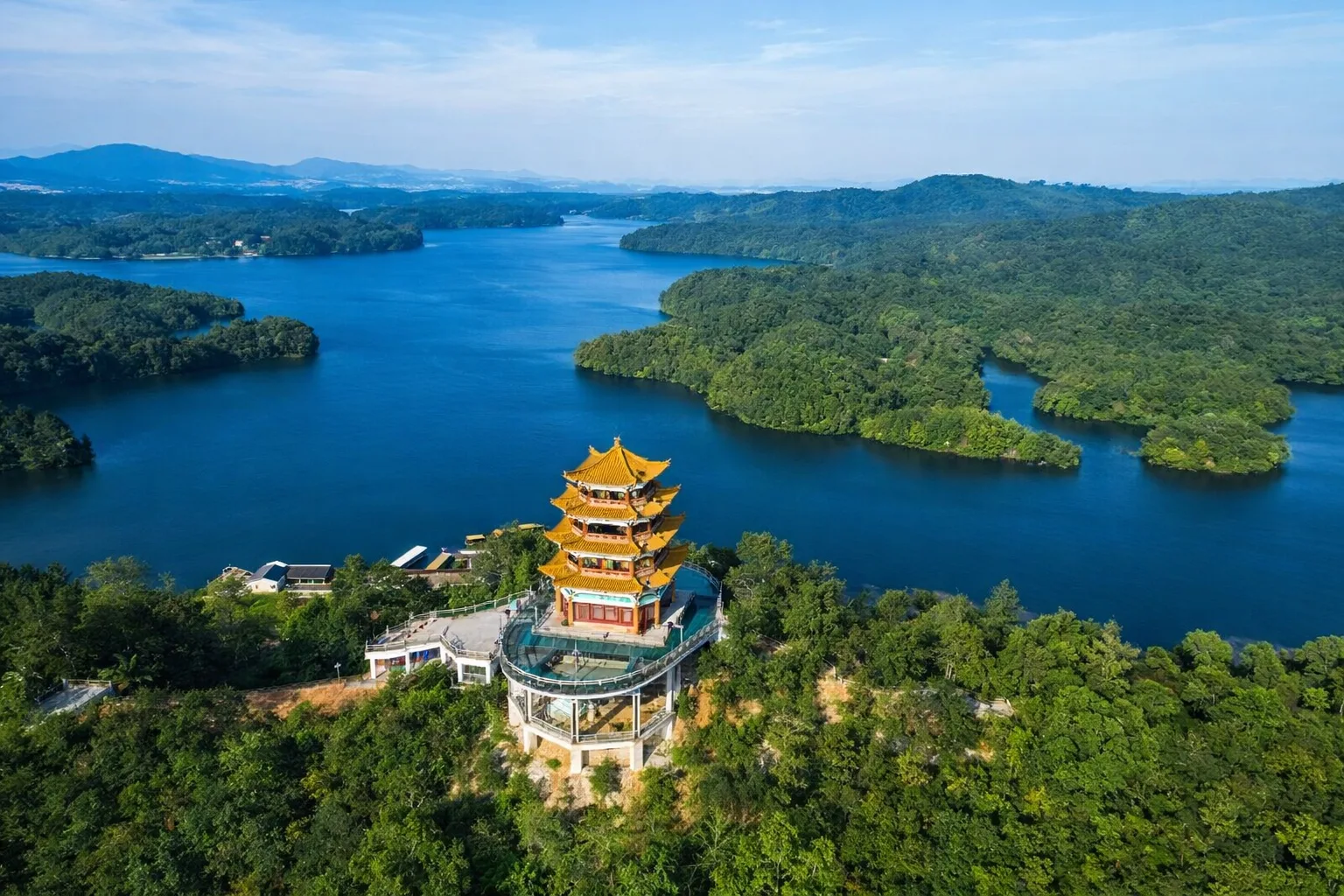
During their placement in Xinyu City, Jiangxi Province, volunteers Tia and Summer spent time exploring Fairy Lake (仙女湖), one of the region’s most well-known natural and cultural landmarks. Surrounded by forested hills, islands, and calm waters, the lake offers a peaceful contrast to city life and a chance to experience a side of China many people don’t expect.
“I didn’t realise how much nature there was around Xinyu,” Tia said. “Fairy Lake felt calm and open — it reminded me a lot of being near the lakes back home in New Zealand.”
Fairy Lake is not only known for its natural beauty, but also for its deep connection to Chinese mythology. According to local legend, the lake is linked to the story of the Seventh Fairy (七仙女) — one of seven celestial sisters who descended from the heavens. The myth tells of her falling in love with a mortal man, Dong Yong, and choosing life on earth over immortality. This story of love, sacrifice, and connection has been passed down through generations and remains an important part of local cultural identity.
Learning about these stories adds another layer to the volunteer experience.
“It was really interesting hearing the legends behind the place,” Summer said. “It made the landscape feel alive, like there was history and meaning woven into it.”
For volunteers from Aotearoa New Zealand, these stories often spark familiar conversations. Many draw parallels between Chinese myths and Māori pūrākau — traditional stories that connect people to the land, waterways, and spiritual world. Exploring places like Fairy Lake becomes not just sightseeing, but a way to better understand how culture, nature, and identity are connected in China.
The area around Fairy Lake is also designed for people to enjoy the outdoors. Walking tracks, cycling paths, boat rides, and viewing points allow visitors to move through the landscape at a relaxed pace. For volunteers spending several months in China, these spaces offer an important balance — time to reflect, recharge, and connect with the environment.
“I think that’s something people don’t expect about China,” Tia reflected. “You imagine big cities, but then you find places like this that are quiet, green, and really well looked after.”
Experiences like this are a reminder that volunteering in China is not about being confined to classrooms or crowded urban centres. Many placements are in regional cities where nature is close by and easily accessible, giving volunteers the chance to explore, stay active, and experience everyday life in a deeper way.
For future volunteers, Fairy Lake represents what makes the Hongi Volunteer Programme unique — the opportunity to live in China long enough to go beyond first impressions, to learn local stories, and to connect with places that hold meaning for the communities they are part of.
Volunteering in China is not just about what you give, but also about what you discover along the way.