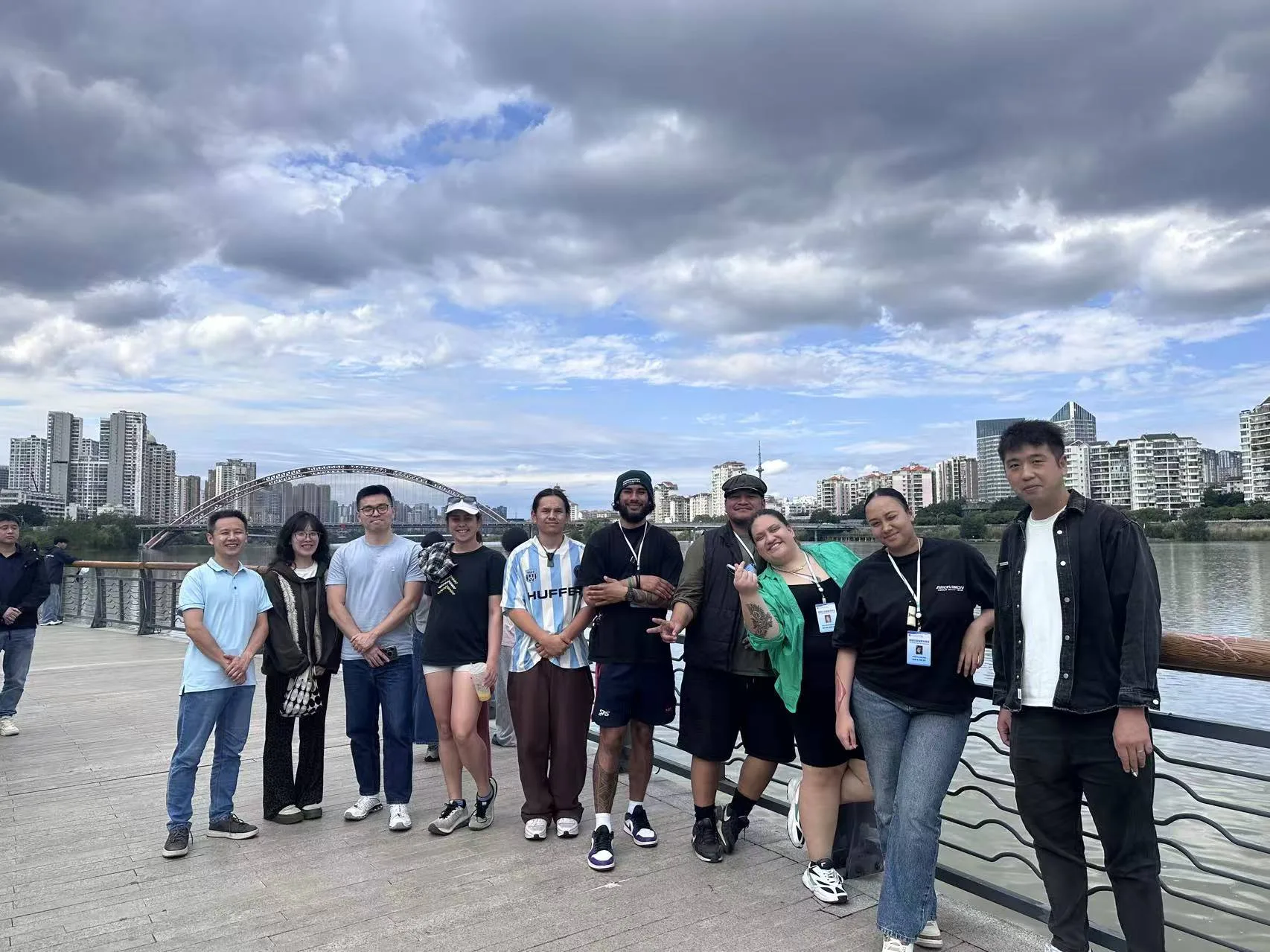
For many Hongi volunteers, time spent in China becomes an unexpected education in how communities can think differently about energy, sustainability, and resilience. For volunteers Seeing Sustainability in Action: What Volunteering in Jiangxi Taught Us About Energy, Innovation, and Community ResilienceSeeing Sustainability in Action: What Volunteering in Jiangxi Taught Us About Energy, Innovation, and Community ResilienceStacee and Denoaid, their experience in Jiangxi opened their eyes not only to China’s rapid development in electric vehicles and green energy, but also to how these ideas could translate back to rural and community-led solutions in New Zealand.
While living and volunteering in local schools, both Stacee and Denoaid encountered a side of China that often goes unnoticed: a strong focus on renewable energy, smart electrical systems, and practical green technologies embedded into everyday life. Electric vehicles are common, charging infrastructure is widespread, and renewable power — particularly solar and hydropower — is increasingly integrated into urban and regional planning.
“I didn’t realise how advanced and normalised this technology already is here,” Stacee reflected. “It’s not experimental — it’s already part of how communities function.”
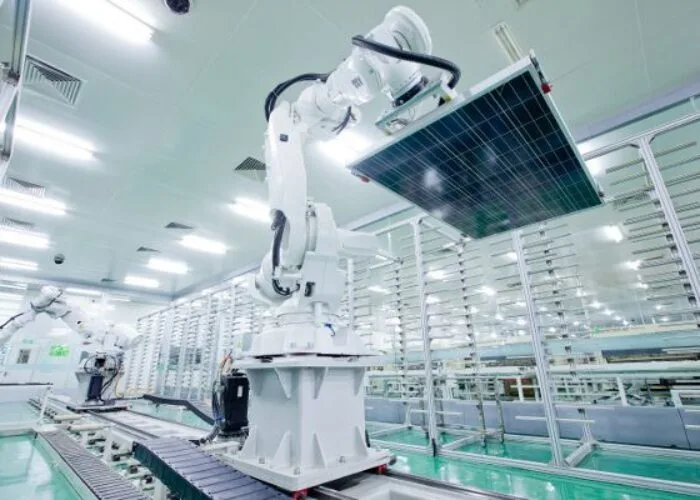
Jiangxi Province has become an important centre for EV manufacturing, battery systems, electrical components, and renewable-energy innovation. For volunteers, exposure to these sectors provides real-world insight into how sustainability works at scale. Rather than being discussed in abstract terms, green energy is visible in transport, industry, and community infrastructure.
For Denoaid, these experiences sparked direct connections to conversations already happening back home.
“It made me think about our rural communities in New Zealand,” he said. “Especially how vulnerable some areas are when power lines go down. Seeing what’s possible here really changes how you think about solutions.”
Across the Eastern Bay of Plenty, several hapū are currently exploring the development of solar micro-grids and small-scale solar farms, designed to feed into marae-based energy hubs. These systems aim to provide affordable, environmentally sustainable power while reducing reliance on long transmission lines that are vulnerable during storms, floods, or natural disasters. When those lines fail, rural and remote communities can be left isolated — a risk that localised energy systems are designed to reduce.

What Stacee and Denoaid observed in Jiangxi closely mirrors these aspirations. Smart energy systems, distributed power generation, and locally managed infrastructure are already being implemented in parts of China, offering practical examples of how technology can strengthen community resilience.
“There are so many ideas here that could work back home,” Stacee noted. “Not in a copy-and-paste way, but as inspiration for how communities can be more self-sufficient and future-focused.”
For Hongi volunteers, learning about China’s green-energy transition is not a formal part of the programme — but it often becomes one of the most valuable takeaways. Conversations with teachers, students, engineers, and local officials give volunteers a broader understanding of how countries approach shared global challenges like climate change, sustainability, and energy security.
Just as importantly, these discussions sit alongside cultural exchange. Volunteers share their own perspectives, values, and community-led approaches from Aotearoa, while learning how Chinese communities are adapting and innovating. This two-way exchange — of culture, ideas, and lived experience — is at the heart of the Hongi Volunteer Programme.
Volunteering in China is not only about teaching and learning language or culture. It is about seeing the world differently, recognising shared challenges, and discovering new ways of thinking about the future — both abroad and at home.
For young New Zealanders considering the programme, experiences like those of Stacee and Denoaid highlight how volunteering can broaden horizons far beyond the classroom, offering insights that remain relevant long after returning to New Zealand.