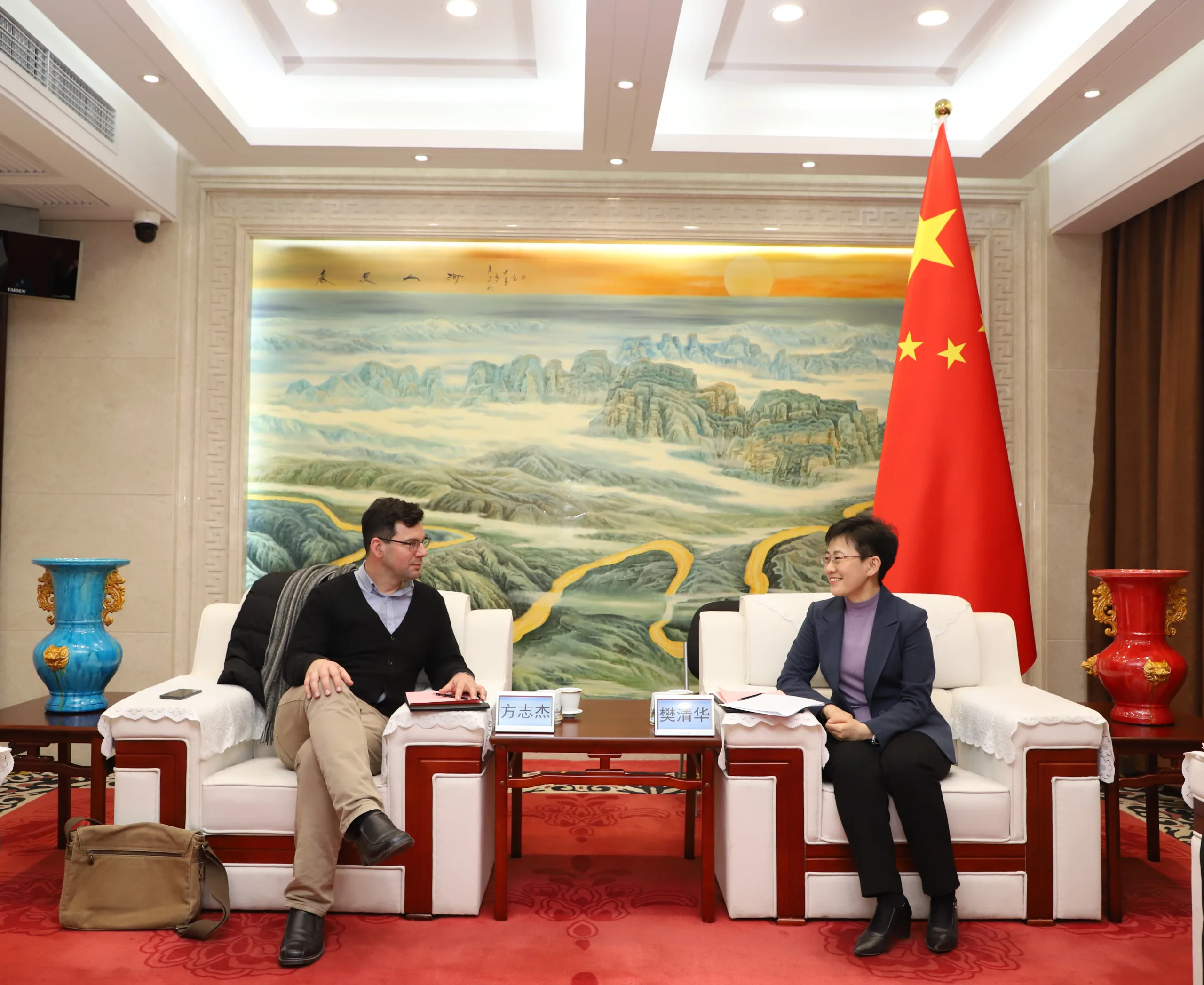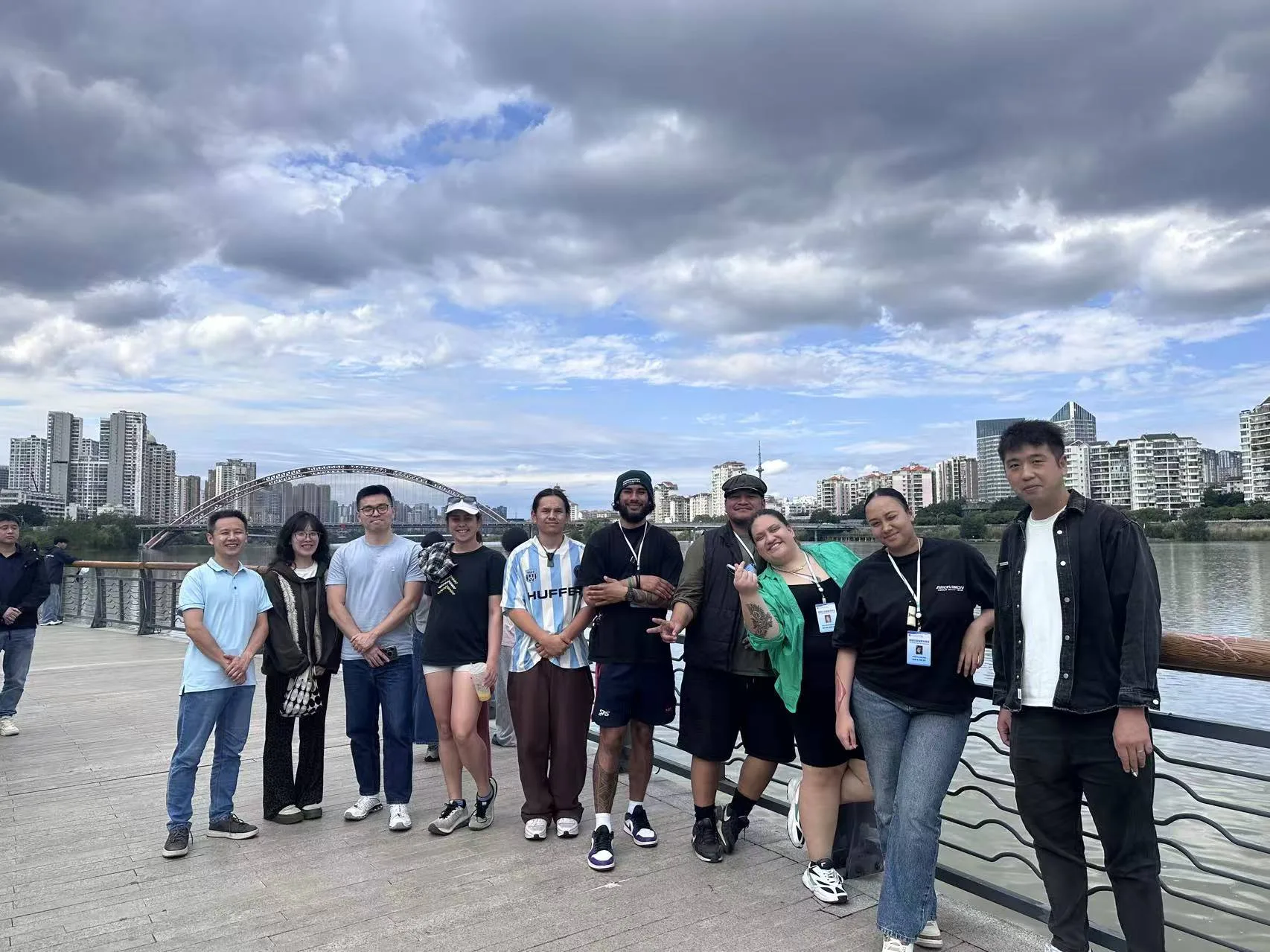
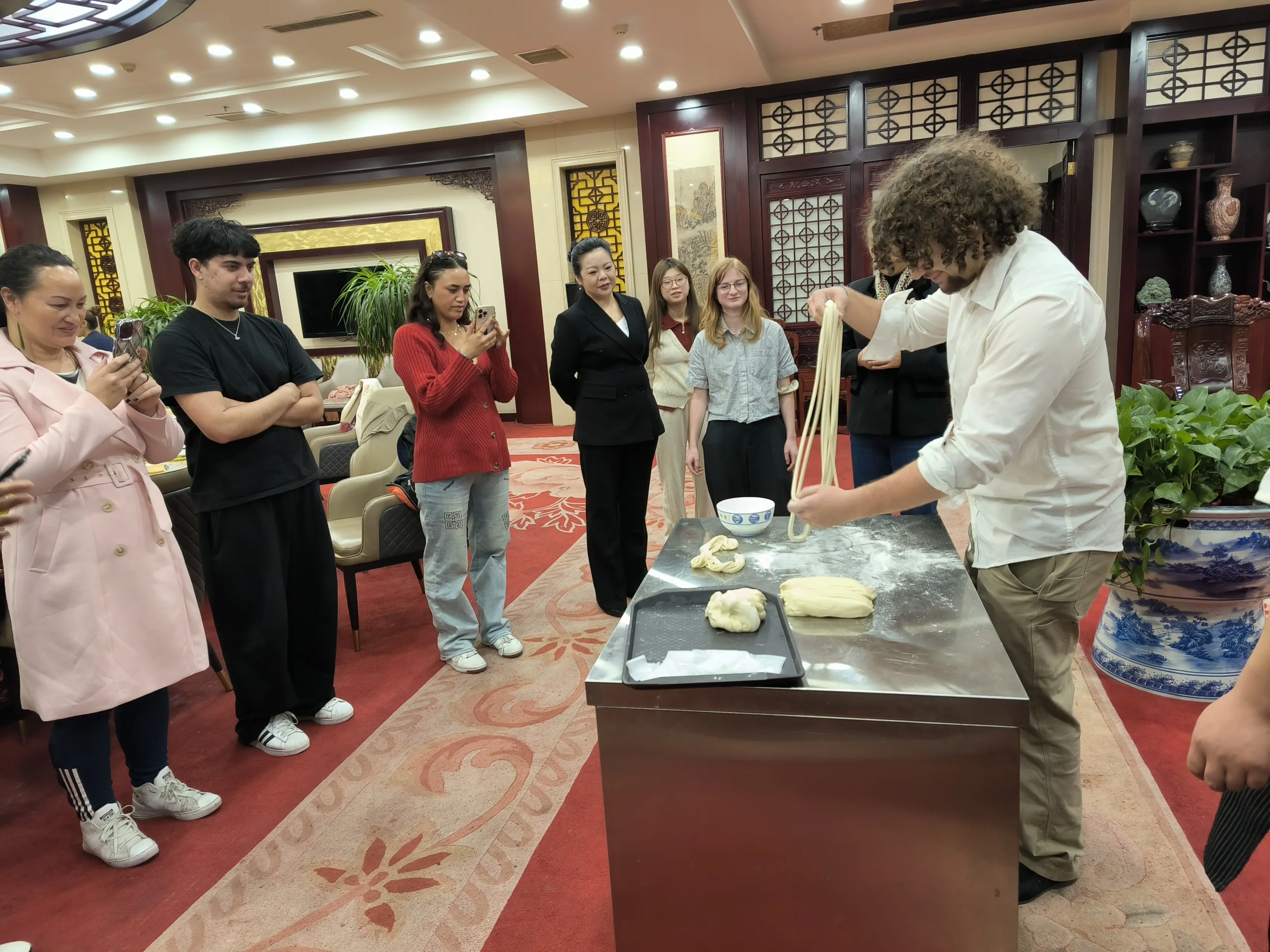
For volunteers travelling through China, some of the most powerful moments come when history, place, and people unexpectedly connect. A visit to Lanzhou, the capital of Gansu Province, offered exactly that—linking today’s volunteers with one of the most significant figures in the New Zealand–China relationship: Rewi Alley.
Born in Canterbury in 1897, Rewi Alley spent over sixty years in China, dedicating his life to education, rural development, and social reform. He is remembered in China not simply as a foreigner, but as a deeply respected friend who stood alongside the Chinese people during some of the country’s most challenging periods. For New Zealanders volunteering in China today, encountering Alley’s legacy in person brings a sense of pride and responsibility.
In Gansu, that legacy is closely tied to the Shandan Bailie School. Established in the 1940s by Rewi Alley and his Chinese colleagues, the school was founded on a simple but powerful idea: education should be practical, accessible, and connected to the needs of local communities. Students learned trades, agriculture, and technical skills alongside academic subjects—an approach that was revolutionary at the time.
For volunteers visiting Shandan Bailie School, the New Zealand connection feels tangible. Alley’s values—service, humility, and learning through doing—are still reflected in the school’s ethos today. Walking through the campus, volunteers often remark on how familiar those principles feel, echoing approaches used in New Zealand schools, marae-based learning, and community education initiatives.
“It’s amazing to realise that a New Zealander played such a big role here,” one volunteer reflected. “You feel like you’re part of a much longer story.”
That sense of continuity is important. The Hongi Volunteer Programme is built on the same foundation of people-to-people exchange that Rewi Alley championed decades ago. Volunteers contribute their time and energy to schools and communities, while also learning from the places they visit. Standing in Lanzhou or Shandan, it becomes clear that New Zealand–China connections are not new—they are lived, layered, and deeply human.
For many volunteers, the visit also reframes how they see China. Gansu’s landscapes, history, and communities contrast sharply with the megacities often associated with the country. Here, the focus is on resilience, education, and long-term development—values that resonate strongly with volunteers from rural and regional New Zealand.
Experiences like this remind volunteers that they are not just visitors, but participants in an ongoing relationship. Rewi Alley’s life shows how one person, grounded in values and respect, can build bridges that last generations.
For those considering volunteering in China, Gansu offers more than a destination—it offers perspective. It shows how New Zealanders have long been welcomed contributors to China’s story, and how today’s volunteers continue that tradition through learning, service, and genuine cultural exchange.