
HONGI Volunteer Programme
Overview
The HONGI Volunteer Programme is a fully funded, non-profit international exchange that enables young New Zealanders to live and volunteer in China for three months. It is built around people-to-people exchange, youth development, cultural understanding, and long-term relationship building between New Zealand and China.
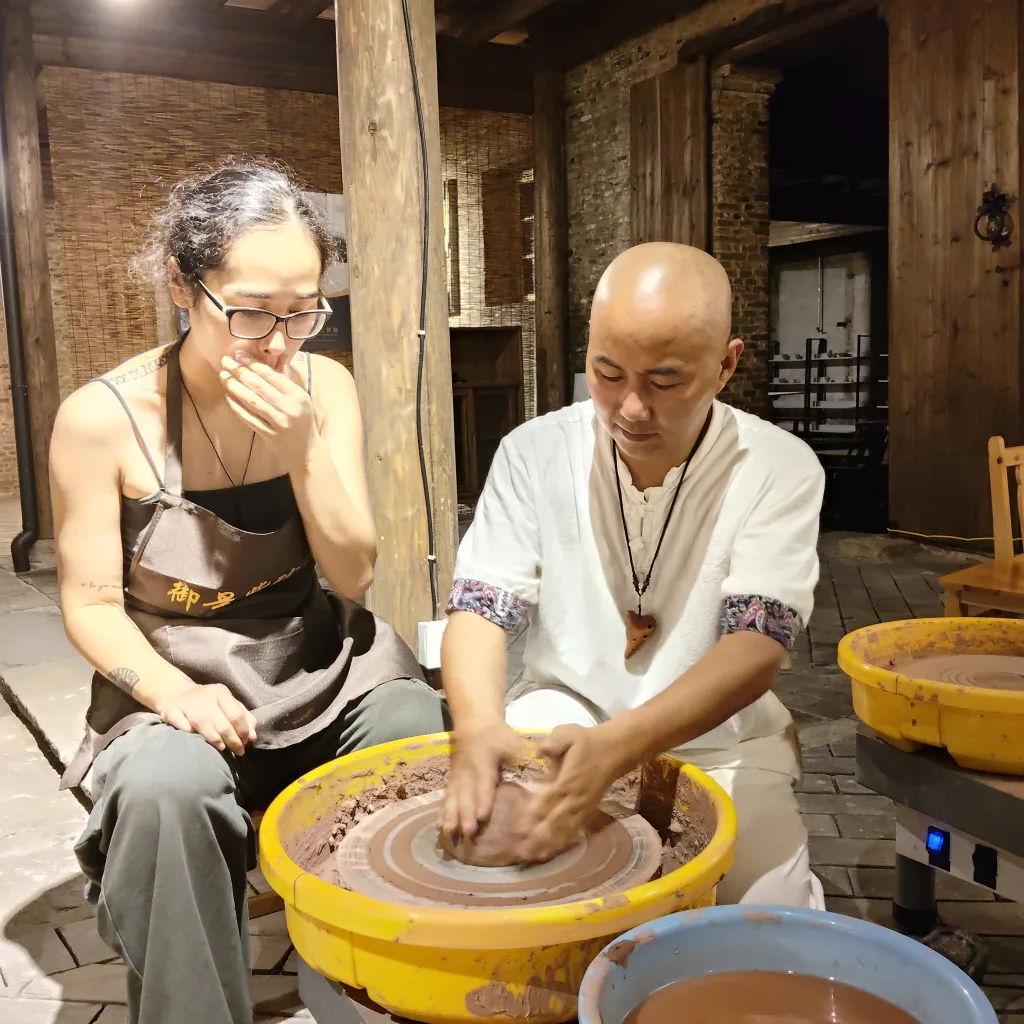
For many participants, this is their first experience living overseas. Volunteers are immersed in everyday community life, working alongside local teachers and students, building friendships, and gaining a deeper understanding of China that goes far beyond what can be learned from media or textbooks.
Volunteers are placed in schools and tertiary institutions across China, where they support English-language learning and take part in cultural and community exchange. The programme is delivered by HONGI in partnership with Chinese host institutions and operates within established sister city, friendship city, and local-government relationships.
Programme Background
The Volunteer Programme grew out of HONGI’s broader work supporting international exchange and cooperation at a local government, education, and community level.
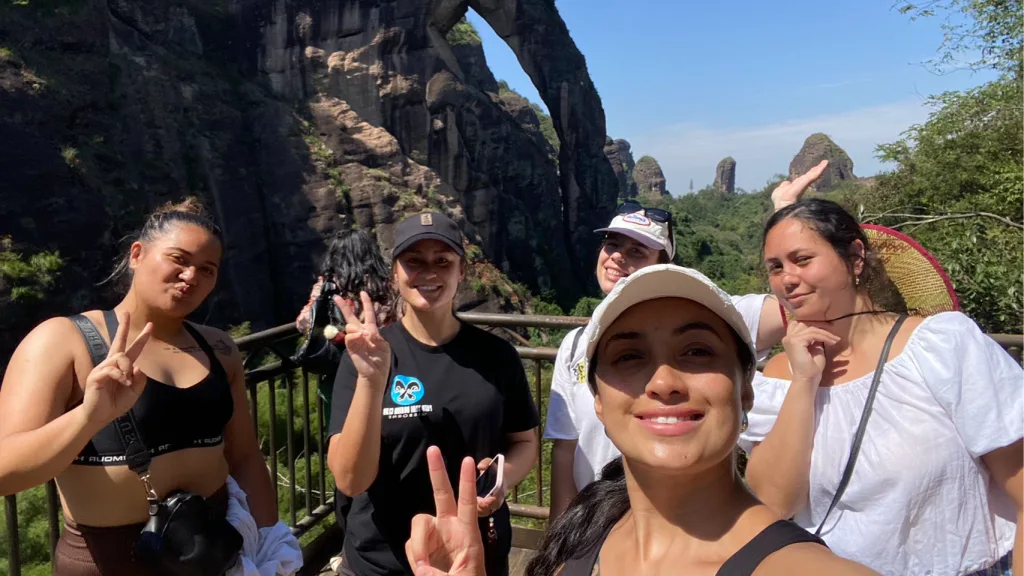
Following a successful pilot in Jiangxi Province in 2024, the programme expanded in 2025 to additional locations, including Sichuan Province. These early cohorts demonstrated strong outcomes for volunteers, host schools, and local communities on both sides. Volunteers returned to New Zealand more confident, culturally aware, and clearer about their future study or career goals, while host schools valued the professionalism, stability, and genuine cultural exchange the programme provided.
The programme continues to develop in response to growing interest from young New Zealanders and sustained demand from Chinese partner institutions seeking meaningful, long-term engagement.
Who the Programme Is For
The programme is designed for young New Zealanders aged 18 to 30 who are curious, open-minded, and interested in learning about the world beyond New Zealand. Volunteers do not need prior teaching experience or tertiary qualifications, but they should be comfortable engaging with people, willing to speak in front of groups, and keen to represent their community overseas.
HONGI places a strong emphasis on access and equity. Applications are actively encouraged from regional communities and from people who may not otherwise have the opportunity to travel internationally. Many volunteers are Māori, and participants are encouraged—where comfortable—to share te reo Māori and tikanga Māori alongside English, contributing to a genuinely two-way cultural exchange.
Confidence is not a prerequisite. While volunteers do speak in front of classes, training and in-country support are provided, and most participants find their confidence grows quickly once they settle into the school environment.
What Volunteers Do
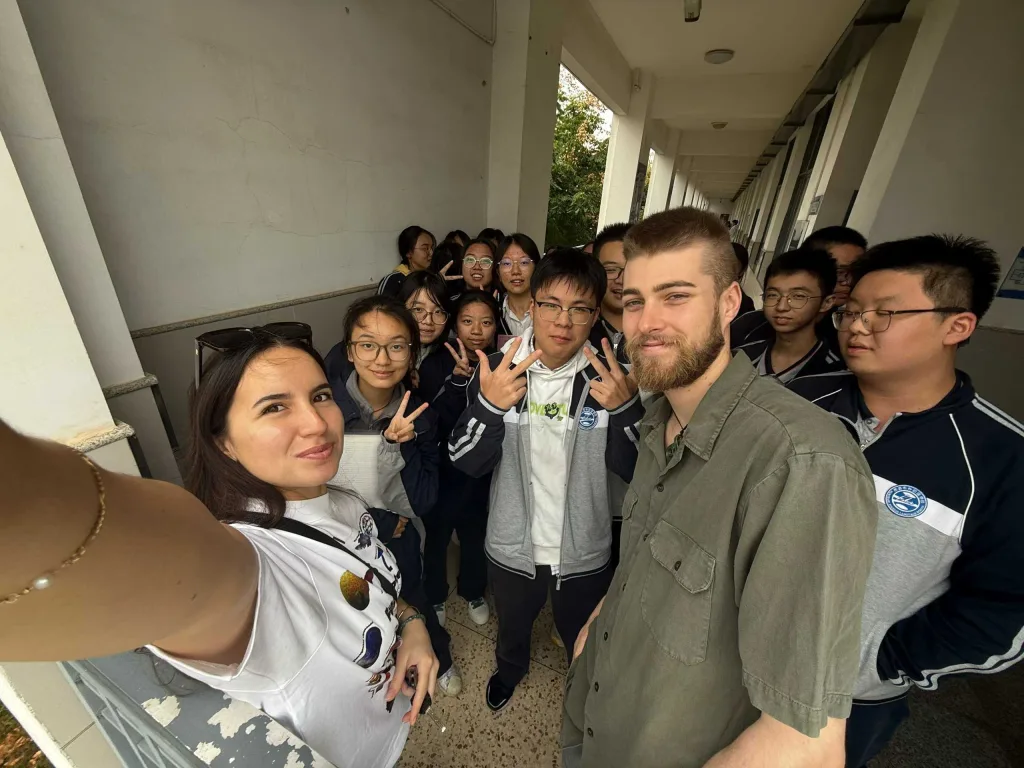
Volunteers are hosted by a range of public institutions, including primary schools, middle and high schools, universities, and technical or vocational institutes.
Volunteers are not English teachers. Instead, they support local English teachers by assisting in classrooms, helping students practise spoken English, and contributing to a more interactive learning environment. Volunteers also participate in school activities, cultural events, and community exchanges, often sharing aspects of New Zealand life, language, and culture.
Most volunteers contribute up to 20 hours per week. Lessons are typically repeated with different classes, allowing volunteers time to prepare, reflect, and build strong connections with students. Afternoons, evenings, and weekends are generally available for cultural immersion, language learning, and local exploration.
What’s Provided
The HONGI Volunteer Programme is fully funded for successful applicants. This includes return international airfares, visas and related documentation, comprehensive travel insurance, accommodation arranged by host institutions, food support, mobile phone connectivity, and a modest living stipend.
This structure removes financial barriers and allows volunteers to focus on the experience, the exchange, and their own personal development. While all essential costs are covered, volunteers may choose to bring additional personal savings for optional travel, social activities, or shopping.
Training and Preparation
All volunteers complete mandatory pre-departure training delivered by Eastern Bridge Education, a New Zealand-registered Private Training Establishment. The training is provided free of charge to volunteers and is designed to be practical, supportive, and engaging.
Training covers basic Chinese language, cultural norms and etiquette, classroom communication skills, public speaking, intercultural engagement, and health, safety, and wellbeing. It focuses on building confidence and preparedness rather than academic assessment.
The training combines in-person sessions with online resources that remain accessible before departure and throughout the volunteer’s time in China. Upon completion, volunteers receive a China Readiness Certificate from Eastern Bridge Education.
Support and Wellbeing
While in China, volunteers are supported by their host institution and assigned local support teachers. HONGI programme coordinators remain in regular contact and are available to assist if issues arise. This layered support structure ensures volunteers are never left to navigate challenges alone and helps create a safe, stable, and positive experience.

Programme Values
The HONGI China Volunteer Programme is guided by a commitment to mutual respect, cultural humility, and genuine two-way exchange. It prioritises safeguarding and wellbeing, operates in the public interest, and remains non-commercial and non-political. The programme is built on trust, responsibility, and long-term relationship building rather than short-term outcomes.
Outcomes and Impact
Volunteers gain far more than overseas experience. Many return with improved confidence, stronger communication skills, new friendships, and a deeper understanding of China and their own cultural identity. The programme has helped participants transition into employment, further study, and international pathways.
For New Zealand communities, the programme strengthens long-term people-to-people connections with China, New Zealand’s largest trading partner, and supports broader educational, cultural, and economic relationships at a local level.
Learn More
For current intakes, locations, and application details, visit:
👉2026 Volunteer Programme Overview
👉 Volunteer Questions & Answers (Q&A)
👉 Volunteer Terms & Conditions
Local councils, iwi, and community organisations interested in supporting or promoting the programme are encouraged to get in touch.